Of matatus, daily commute and lessons from a walking nation
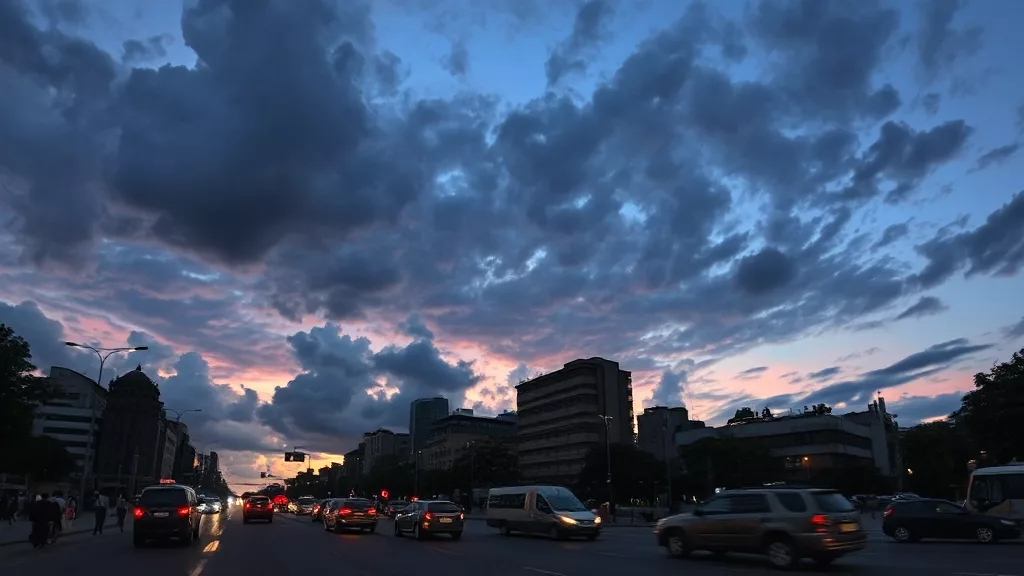
Board a number 111 matatu from Nairobi's central business district toward Umoja at seven in the morning and you are inside one of the city's most honest social documents. The vehicle is rarely on time. The fare fluctuates with traffic and the conductor's assessment of demand. The music is loud. The space between passengers is non-existent. And yet, every morning, several million people across Nairobi's expanding geography make exactly this calculation and board anyway, because the alternative is not arriving at all.
Kenya's public transport system was never designed in any coherent sense. It grew through a combination of regulatory neglect, entrepreneurial improvisation and the simple necessity of moving a rapidly urbanising population on a budget the state was unwilling to allocate to infrastructure. The matatu industry — privately owned, informally regulated, politically connected through saccos and route cartels — filled the gap. It continues to fill it, at significant cost to passengers in comfort, safety and time.
The commute is also an economic indicator. When fuel prices rise, matatu fares rise within days. When road infrastructure deteriorates — and in Nairobi's outer estates, deterioration is chronic — journey times extend and informal employment, which depends on punctual arrival, becomes harder to maintain. The Nairobi Expressway, opened in 2022, shortened travel times on one corridor for those who could afford the toll. The majority of commuters could not.
There is a policy conversation Kenya has been deferring for two decades about what mass urban transit should look like: bus rapid transit, regulated fares, integrated ticketing, safe cycling infrastructure. Pilot projects have launched and stalled in roughly equal measure.
Meanwhile, the matatu moves. Inefficiently, noisily, indispensably.