Welcome to the jungle where survival belongs to loudest engine
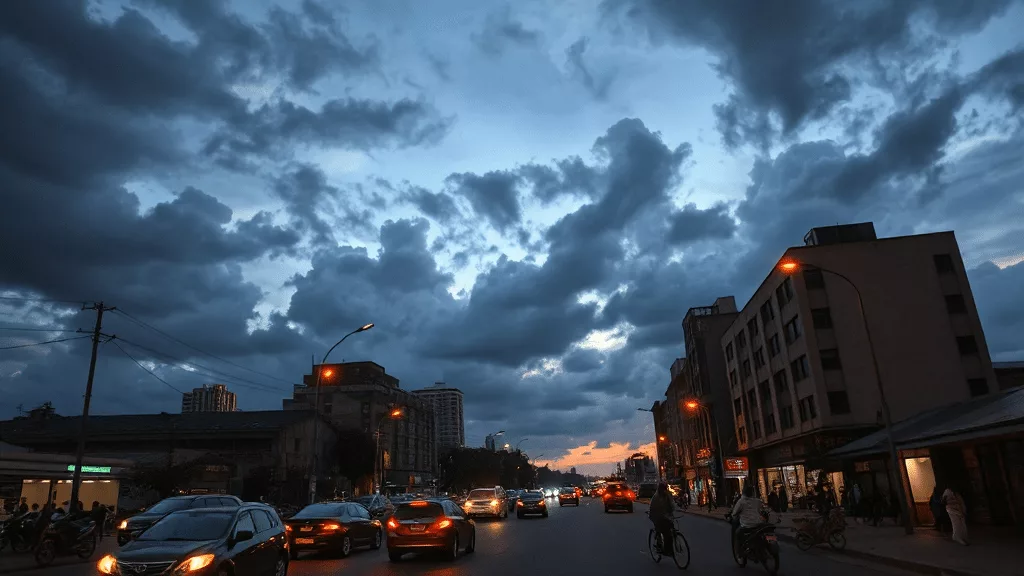
On any given morning along Nairobi's Thika Superhighway or the congested stretch of Mombasa Road, a small-engine vehicle attempting to merge becomes an act of negotiation with chaos. Matatus cut in without signaling. Heavy trucks straddle lanes. Motorcyclists thread gaps that exist only in optimism. For drivers of compact cars — sedans with 1,000cc engines bought on painful salary advances — every commute is a psychological marathon.
Kenya's road fatality statistics tell a grim story. The National Transport And Safety Authority recorded over 3,000 road deaths in 2025, with aggressive driving and disregard for highway codes consistently cited among the leading causes. Yet the response from traffic enforcement has remained largely performative. Officers stationed at notorious blackspots often redirect their attention toward opportunities for unofficial revenue rather than genuine hazard reduction.
The shakedown economy on Kenyan roads is an open secret. Drivers of older vehicles, particularly those whose documentation has lapsed or whose cars carry visible defects, report near-routine demands for cash in lieu of processing formal penalties. The practice corrodes road safety at its foundation: if violations carry no consistent consequence, the deterrent effect of law enforcement evaporates entirely.
What this produces is a road culture ordered not by regulation but by the dominance of larger, faster, and more intimidating vehicles. The bodaboda rider and the Probox owner operate in a different legal universe from the well-connected commuter in a late-model SUV. Enforcement, when it does materialize, falls unevenly along visible fault lines.
Reforming this requires more than new road signs or periodic crackdowns. It demands transparent accountability for traffic officers, digitized penalty systems that reduce human discretion, and political will to treat road safety as genuinely public business rather than a fundraising opportunity.