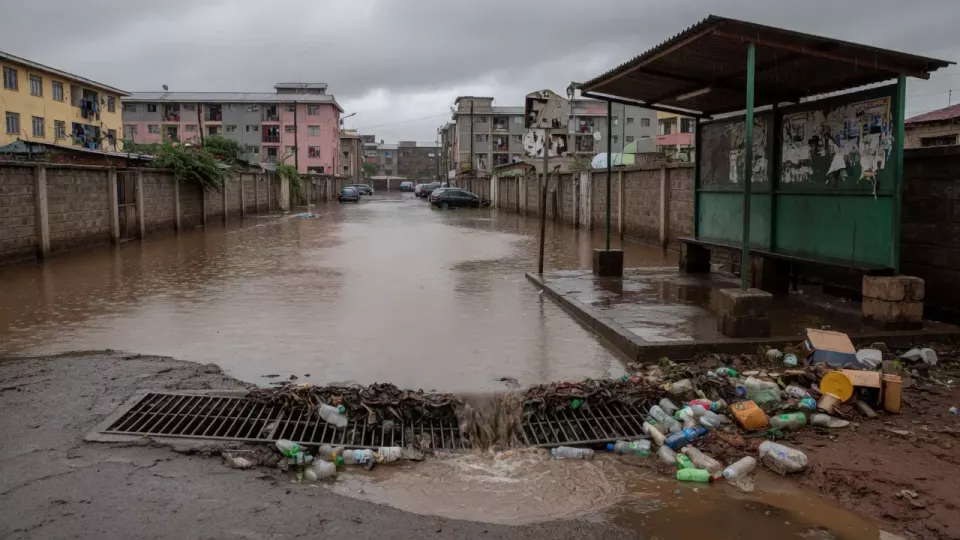
Dadaab Refugee Camp Population Stabilizes at 235,000 Amid Repatriation Challenges
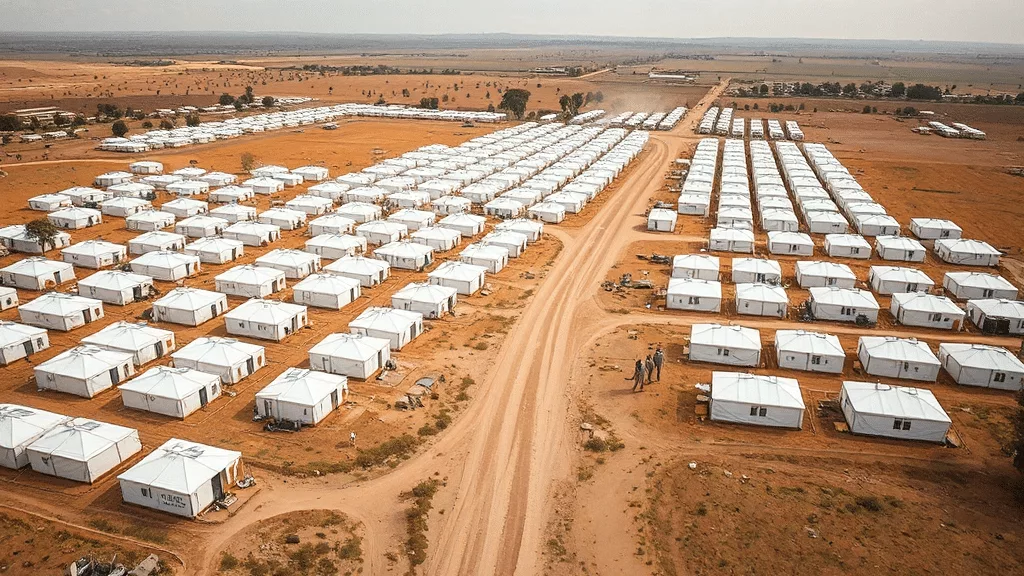
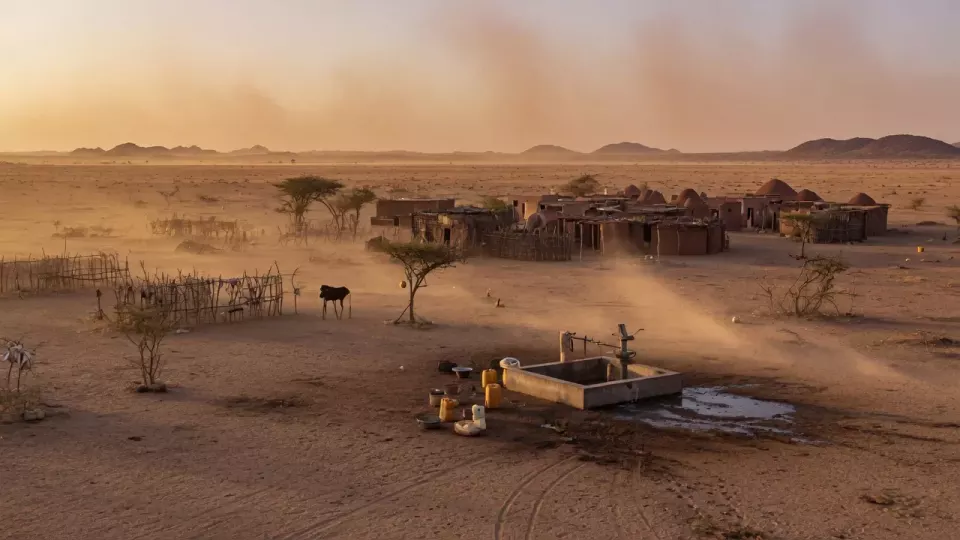
Dadaab refugee camp complex, located 80 kilometers from Kenya's border with Somalia, continues housing 235,000 Somali refugees despite the Kenyan government's stated intention to close the facility by 2026. Established in 1991 to accommodate Somali asylum seekers fleeing civil conflict, Dadaab has evolved into a semi-permanent settlement with schools, healthcare facilities, and livelihood programs serving one of the world's largest refugee populations. The camp's continued operation reflects Somalia's prolonged instability and limited capacity to safely resettle returning populations.
The United Nations High Commissioner for Refugees and Kenya's Interior Ministry have engaged in contentious negotiations regarding Dadaab's future, with Kenya emphasizing security concerns and resource burdens while humanitarian organizations stress Somalia's insufficient absorption capacity. Kenya has experienced security incidents linked to refugee populations, though operational statistics demonstrate that the vast majority of refugees comply with settlement regulations. Nevertheless, political pressure from Kenyan citizens and opposition political parties to close Dadaab has intensified pressure on government officials.
Repatriation operations have proceeded slowly, with only 78,000 refugees voluntarily returning to Somalia between 2020 and May 2025, far below projected targets. Returnees have reported inadequate housing, limited livelihood opportunities, and continued instability in southern Somalia, discouraging additional voluntary repatriation. UNHCR has advocated extending the camp closure timeline to 2029, allowing more time for Somalia to establish conditions supporting safe, dignified refugee returns.
Dadaab's economic impact on surrounding Garissa County remains contested. Camp operations generate KES 4.8 billion in annual humanitarian spending supporting approximately 12,000 camp employees and local service providers. However, local communities argue that refugee populations strain limited water resources, overutilize pastoral lands, and create security risks. Conflicting assessments of Dadaab's net economic impact have complicated policy negotiations between national and local governments.
Within Dadaab, refugee youth numbering approximately 87,000 individuals face severely limited educational and employment opportunities. Secondary school enrollment stands at only 24%, significantly below regional averages, limiting future prospects. The camp's Education Cluster has advocated for expanded tertiary education opportunities and skills training programs, though funding constraints limit implementation.
Humanitarian conditions within Dadaab have deteriorated in 2024-2025 due to funding shortfalls totaling KES 8.2 billion annually. Water distributions have decreased to 15 liters per person daily, below World Health Organization standards of 20 liters. Healthcare facilities have experienced medicine shortages, reducing maternal health services and vaccination coverage rates among refugee children.
Sophisticated security operations within Dadaab have identified and arrested suspected Al-Shabaab operatives and recruiters allegedly using the camp to identify potential combatants. These operations have generated international attention, with human rights organizations monitoring allegations of detention without trial and extrajudicial actions. Kenya's interior security apparatus maintains that Camp security operations are essential for regional counterterrorism efforts.