Sh188bn Flood Losses Drive Kenya to Overhaul Disaster Funding

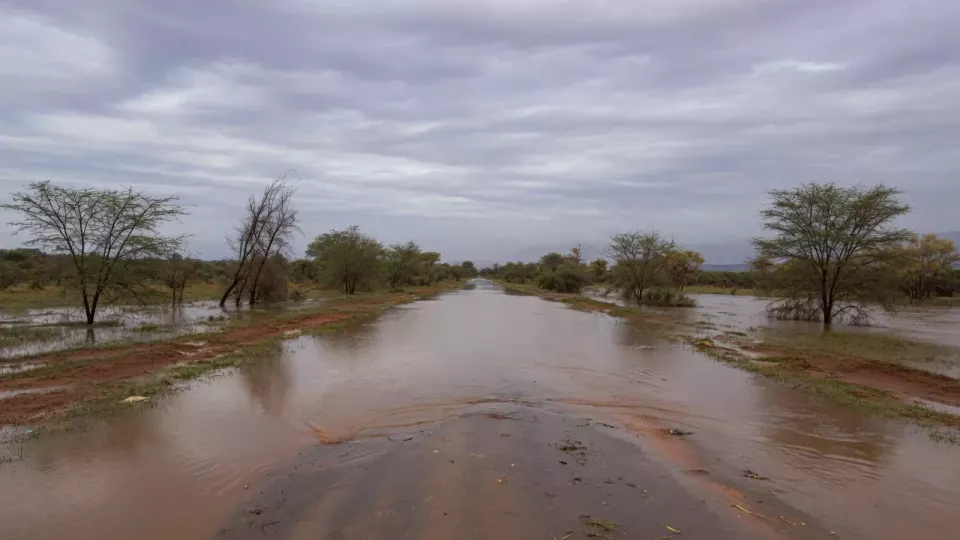
Kenya absorbed losses of approximately Sh187.8 billion across two catastrophic flood seasons — October to December 2023, and March to May 2024 — and the sheer weight of that financial blow has pushed the government to fundamentally rethink how it funds disaster response.
For years, the standard playbook after a disaster was to launch emergency appeals, seek donor support, and push through supplementary budgets — all while relief operations waited for money to arrive. The National Treasury is now firmly turning its back on that reactive model, signalling a shift toward pre-arranged financing tools that are ready before the rains come.
Treasury Cabinet Secretary John Mbadi has outlined the ambition clearly: to ensure that "resources are available before disasters occur, enabling timely and effective action" — a framework that protects lives on the ground while shielding public finances from the kind of disruption that repeated flood seasons have caused.
The proposed financing architecture rests on three main pillars. First, contingency funds and contingent credit lines that activate automatically when disaster thresholds are reached, removing the bureaucratic delays that have historically slowed relief. Second, a risk layering framework that matches the severity of an event to an appropriate financial instrument — routing catastrophic but rare disasters through insurance and risk-transfer markets rather than hitting the Treasury directly. Third, rapid liquidity mechanisms designed to release funds almost immediately, bypassing the lengthy budget approval processes that can leave affected communities waiting weeks.
On the insurance front, Kenya Reinsurance Corporation has proposed a national flood insurance pool modelled on Britain's Flood Re scheme. The arrangement would function as a public-private partnership, distributing risk among government entities, domestic insurers, reinsurers, and international capital markets. The goal is to make flood coverage affordable and accessible to far more Kenyans than the current market reaches.
The scale of what is needed remains daunting. Treasury projections put Kenya's climate resilience financing requirement at nearly $44 billion for the decade spanning 2020 to 2030, yet existing climate finance flows cover only a small fraction of that sum — a gap that the new disaster financing framework alone cannot close, but is intended to help narrow.
As flood seasons grow more severe and less predictable, how Kenya finances its disaster response will matter as much as how it responds on the ground. The shift from scrambling for funds after the fact to building structured pre-disaster financing could prove decisive in how effectively the country protects lives and property in the years ahead.