Rhino Ark Demands Immediate Halt to Airstrip Construction Inside Imenti Forest Reserve

Rhino Ark Kenya Charitable Trust has demanded that construction of an airstrip inside the Upper Imenti Forest Reserve be stopped without delay, saying the development is rolling ahead in total disregard of the legal safeguards that govern protected areas in Kenya. The conservation body issued the call after raising serious concerns about both the environmental sensitivity of the site and the absence of mandatory regulatory processes.
The organisation, which has invested more than one billion Kenyan shillings into protecting the Mt. Kenya ecosystem over fourteen years, said the project has bypassed fundamental legal requirements. Executive Director Christian Lambrechts was unambiguous: "no public participation has been undertaken as required by the Constitution of Kenya, no Environmental and Social Impact Assessment has been conducted." That double failure, he argued, makes the entire exercise unlawful from the outset.
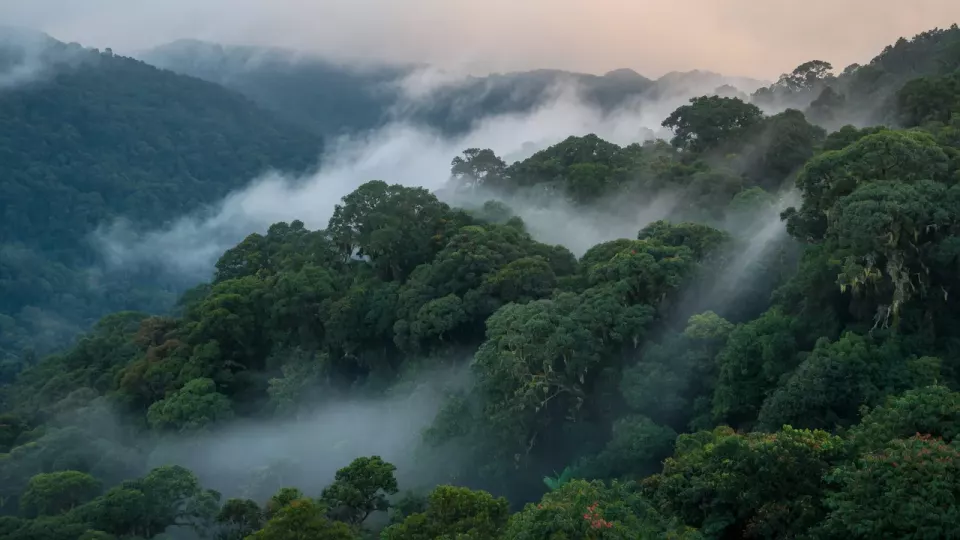
The Upper Imenti Forest Reserve is no ordinary patch of woodland. Sitting atop a hydrological divide, it is the source that feeds two of Kenya's most strategically important river systems — the Tana and the Ewaso Nyiro — which together supply water to millions of people across the country. The forest is equally remarkable for its biodiversity, sheltering 81 endemic plant species found absolutely nowhere else on Earth.
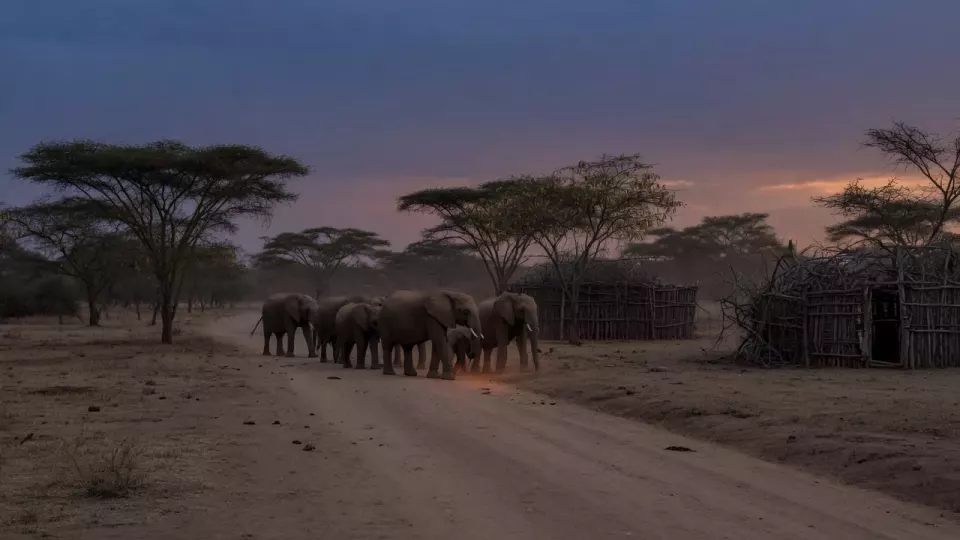
Wildlife concerns add another urgent dimension to the dispute. The reserve supports a population of between 1,900 and 2,600 elephants, and the areas where construction is currently taking place record the highest concentrations of these elephants during the dry season — precisely the period when the animals most depend on stable, undisturbed habitat. Rhino Ark warns that continued earthworks risk causing harm that cannot be undone.
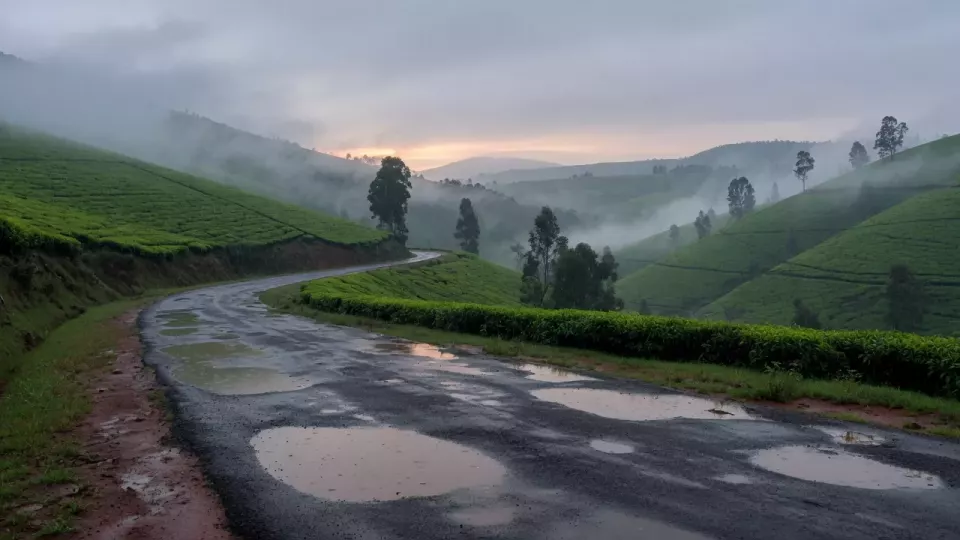
Rather than simply opposing the project outright, the organisation has put forward an alternative that it says is both cheaper and legally defensible. Rhino Ark is urging the authorities to instead upgrade the existing Gaitu Airstrip, situated fourteen kilometres from Meru Town and already connected to the town by a paved road. Developing Gaitu, the group argues, would deliver the same aviation benefit without placing a protected forest at risk.
Beyond the immediate environmental damage, Rhino Ark contends the construction puts Kenya at odds with its own international sustainability commitments as well as the national frameworks that exist specifically to regulate land use in protected areas. Proceeding without an Environmental and Social Impact Assessment or any form of community consultation, the group says, sets a dangerous precedent for how protected forests across the country may come to be treated.
With conservationists, local communities, and legal observers all watching closely, the pressure is now firmly on the relevant government agencies to either enforce Kenya's own environmental laws or explain why the rules do not apply inside one of the country's most ecologically irreplaceable forests.