Rachel Ruto Commits 33 Hectares to Mau Forest Restoration in Nakuru Drive
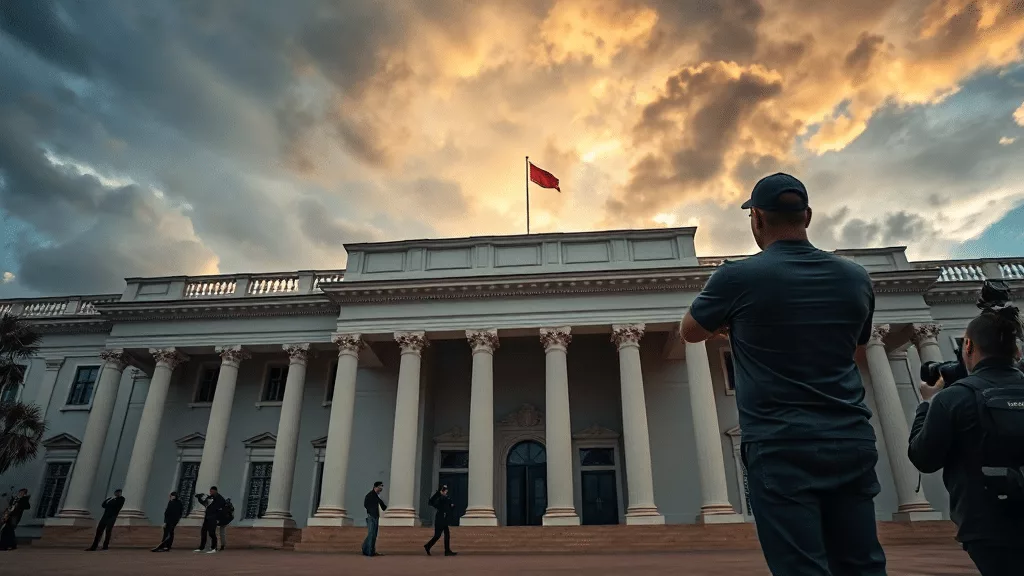
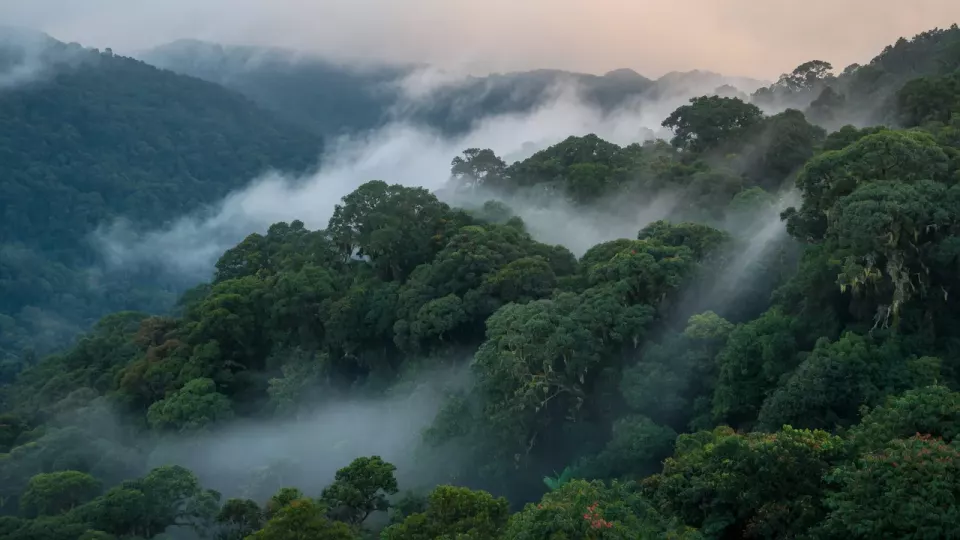
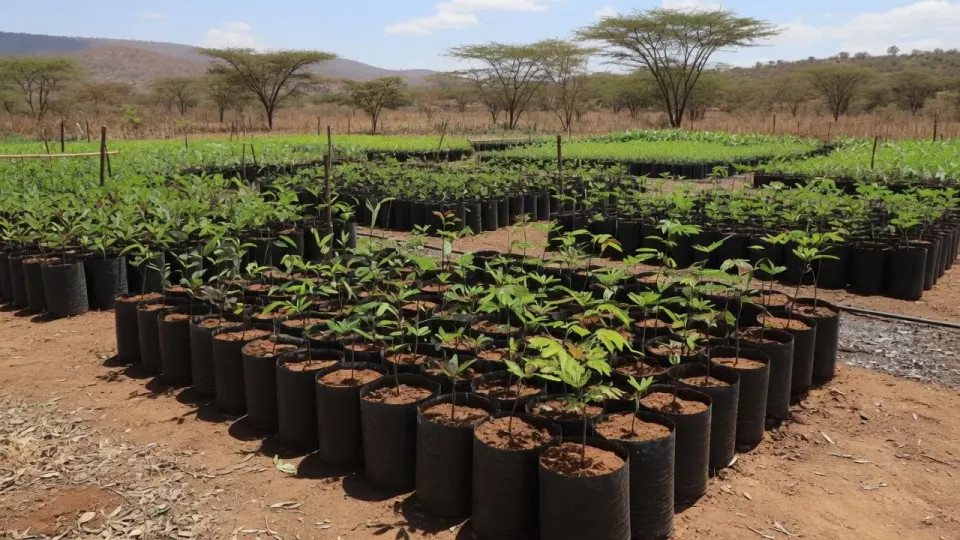
First Lady Rachel Ruto has formally adopted 33 hectares within the Marindas Forest Block of the expansive Mau Forest Complex, throwing her weight behind efforts to restore one of Kenya's most critical water towers. The commitment was marked during a colourful ceremony in Kuresoi North, Nakuru County, where she unveiled a commemorative plaque and commissioned a nursery that will produce indigenous tree seedlings for replanting across the degraded area.
Speaking at the function, the First Lady drove home the stakes of forest loss for ordinary Kenyans, describing healthy forests as the very foundation of the country's wellbeing. "Our forests are the lifeblood of our nation. They protect our water towers, sustain biodiversity, regulate our climate, and support the livelihoods of millions," she said. Her message struck a familiar chord in Nakuru County, where communities downstream of the Mau have for years borne the brunt of reduced river flows caused by widespread deforestation.
The adoption sits within a larger framework known as the Mau Forest Complex Integrated Conservation and Livelihoods Improvement Programme, a wide-ranging effort aimed at regenerating one of Kenya's most ecologically significant yet heavily stressed forest ecosystems. Rather than treating conservation and community welfare as competing interests, the programme is designed to advance both simultaneously, recognising that lasting forest recovery is impossible without the buy-in of the people who live along the forest edge.
A key pillar of that community-centred approach is the Plantation Establishment and Livelihood Improvement Scheme. Under this arrangement, local farmers are permitted to cultivate crops — among them potatoes, avocados, and coffee — within designated zones inside the forest. The scheme is credited with giving households a meaningful economic alternative to destructive land use practices such as illegal logging and forest encroachment, which have historically driven much of the Mau's decline.
Beyond her own adoption pledge, Rachel Ruto issued a direct appeal for broader national participation, making clear that saving the Mau is a shared obligation. "I invite every Kenyan to join this national movement. Plant a tree, nurture it, and inspire others," she said, framing individual action on tree planting as both an environmental responsibility and a patriotic contribution to the country's future.
The ceremony drew a significant government presence, with Environment Principal Secretary Dr. Festus Ngeno attending alongside various parliamentary representatives from across the region. Their participation underscored the national government's stated determination to reverse decades of degradation that have steadily eaten into the Mau's original coverage and disrupted river systems serving millions of people across the Rift Valley and beyond.
With the Mau Forest Complex still under considerable pressure from human settlement and shifting weather patterns, the First Lady's adoption of the Marindas block adds a high-profile dimension to ongoing recovery work. Conservation advocates hope her personal involvement will help sustain both political momentum and public interest in what remains one of Kenya's most urgent environmental challenges.