Mau Forest Programme Restores Degraded Land and Transforms Farmer Livelihoods
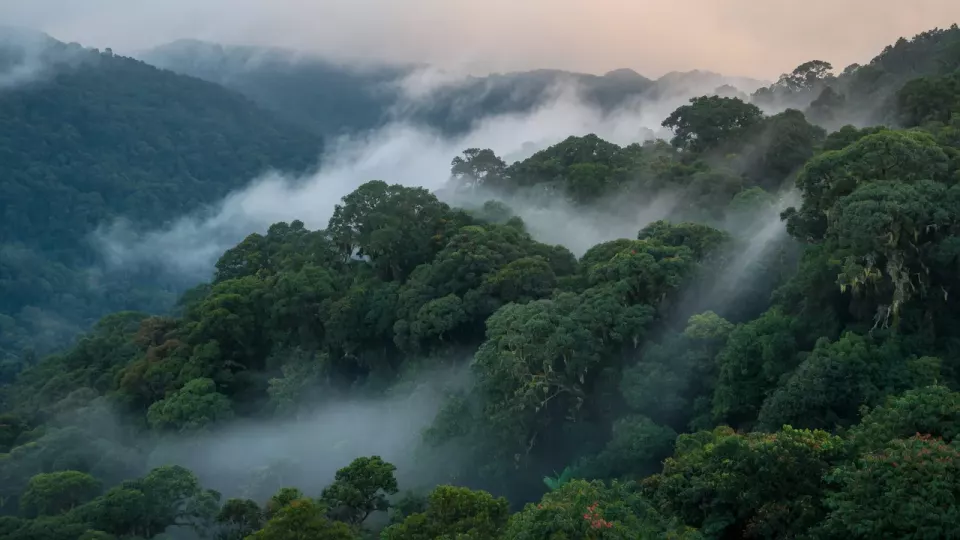
When First Lady Rachel Ruto visited Baringo Primary School in Nakuru County, the occasion became much more than a ceremonial stop. It gave Environment and Climate Change Principal Secretary Dr. Festus Ng'eno a platform to highlight one of Kenya's most determined conservation pushes. The Mau Forest Complex Integrated Conservation and Livelihood Improvement Programme — MFC-ICLIP — is steadily rewriting the story of one of East Africa's most critical water towers, combining environmental restoration with direct support for the communities who live on its edges.
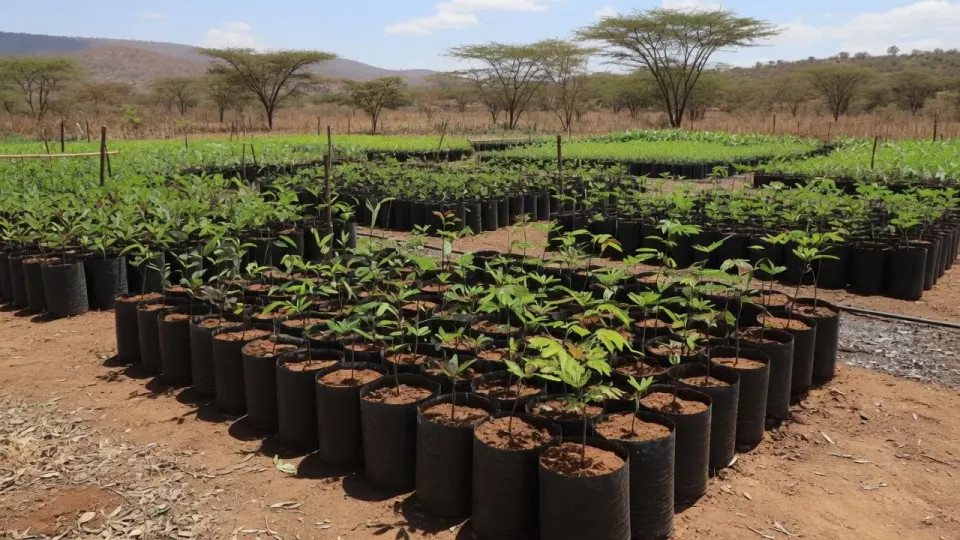
On the ground, the environmental gains are becoming hard to ignore. The programme has restored over 1,500 hectares of degraded forest by planting roughly 1.5 million tree seedlings at the Marindas and Gacharage restoration sites. These numbers tell a story of land once stripped bare now inching back toward forest cover — a meaningful shift for a catchment system that feeds rivers and sustains millions of Kenyans downstream.
The Adopt-a-Forest campaign has broadened the scope of participation well beyond government. Leaders and institutions have collectively taken on 1,635 hectares under the scheme. Among those who have signed on are President William Ruto, Nakuru Governor Susan Kihika, Safaricom, Kenya Commercial Bank, and Kenya Power. Their involvement signals growing recognition among both public figures and the private sector that reversing the Mau's decline is a shared national responsibility.
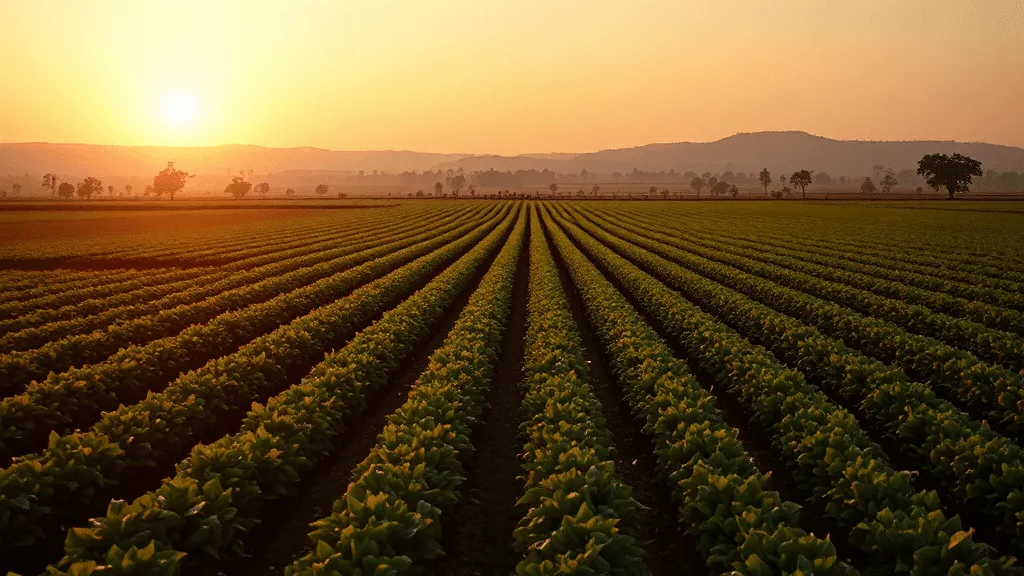
At the community level, the impact on farmers has been substantial. More than 10,230 farmers are now being supported across a range of agricultural value chains that include potatoes, pyrethrum, avocado, tree nurseries, dairy farming, fodder production, and beekeeping. For many households in the Mau catchment, this diversified support has offered a more stable income — reducing the economic pressure that has long pushed families toward encroaching on forest land.
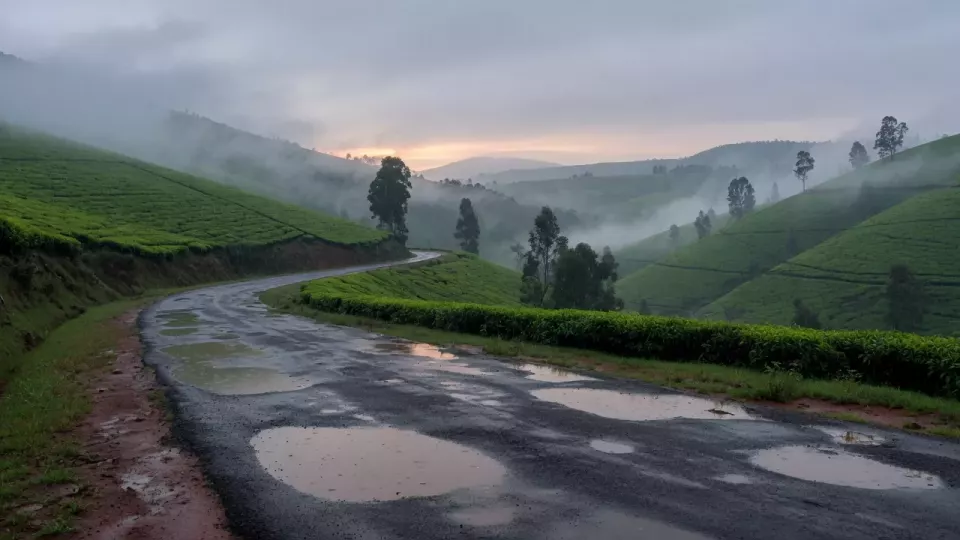
The programme is also piloting new agricultural ventures to further expand farmer options. Coffee and tea farming are being trialled in the area, with cocoa cultivation set to be introduced as another option. Adding these crops to the mix is intended to deepen income diversity and further delink community livelihoods from dependence on the forest.
Dr. Ng'eno stressed that the ten-year, community-owned initiative has a clear overarching goal: to reverse the degradation of the Mau Forest while confronting the socioeconomic conditions that have accelerated it. Forest restoration, livelihood improvement, environmental education, and circular economy activities are all woven into the programme's framework. The motto binding it all together — "Linda Mau, Boresha Maisha," meaning Protect Mau, Improve Lives — speaks to the inseparable link between the forest's health and the wellbeing of the people around it.