Government Seeks Sh19.3 Billion Emergency Funds for Worsening Drought Crisis

Kenya's Special Programmes sector has approached Parliament with an urgent request for a Sh19.3 billion supplementary allocation to strengthen emergency drought relief operations. The appeal comes as food insecurity worsens across arid and semi-arid counties, with the government warning that millions of vulnerable Kenyans face deepening hardship unless additional resources are made available without delay.
Principal Secretary Ismail Maalim Madey appeared before the National Assembly's Departmental Committee on Regional Development to present the case, highlighting the stark mismatch between need and available funds. Only Sh162.8 million was set aside for emergency food assistance in the 2026/27 national budget — an amount the PS described as "grossly inadequate to address the increasing humanitarian needs arising from recurrent droughts."
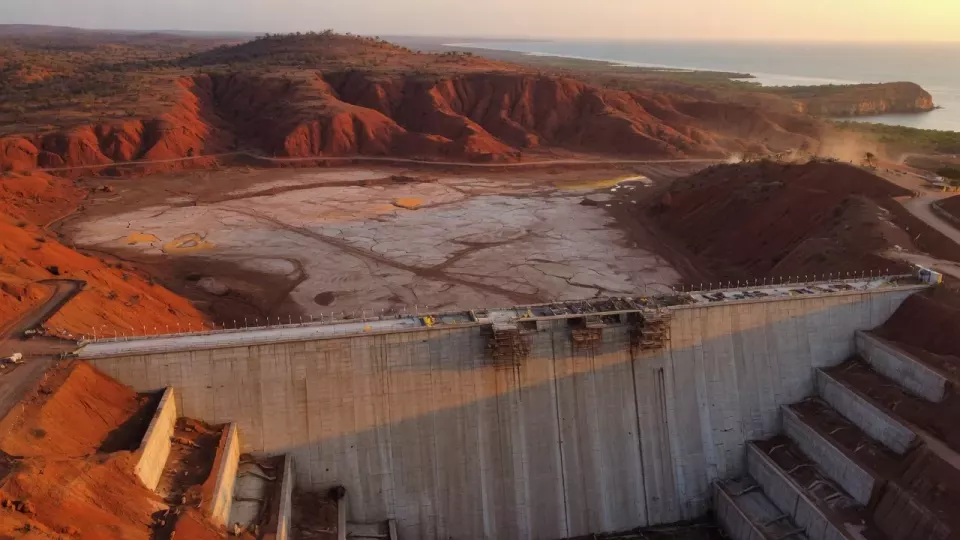
Successive drought cycles have devastated arid and semi-arid regions, wiping out livestock herds and dismantling the livelihoods that millions of Kenyans depend on. The gravity of the situation had already prompted the government to invoke constitutional emergency provisions earlier in the fiscal year, releasing Sh12.65 billion in emergency spending — yet conditions on the ground have continued to worsen.
The department has broken down its request clearly: Sh14 billion would fund emergency relief operations across affected regions, while a further Sh5 billion is needed to maintain the Strategic Food Reserve — a critical national stockpile that currently operates with no dedicated budget line at all. PS Madey warned lawmakers that inadequate funding would "severely limit the State Department's ability to undertake timely and effective interventions."
Beyond funding, the department faces a deep internal staffing crisis that compounds the challenge. With just nine technical officers currently in post against an approved establishment of 62, the unit is dramatically underequipped to coordinate complex relief logistics across the vast, sparsely populated counties most affected by drought. Officials say the shortage directly slows the pace of humanitarian response.
Legislators from different political persuasions voiced backing for the extra allocation. Committee chairperson Peter Lochakapong raised a pressing concern about the final leg of food distribution, noting that some relief provisions are reportedly being sold to cover transportation costs before they reach intended beneficiaries — a gap that raises serious questions about supply chain oversight and accountability.
With the drought showing no signs of easing and the Strategic Food Reserve continuing to operate without a dedicated budget line, Parliament faces growing pressure to fast-track the supplementary allocation. For millions of Kenyans in ASAL counties, the urgency could not be more clear.