El Niño 2026: Africa Stares Down GDP Losses Exceeding 5% as Droughts and Floods Intensify

Africa's foremost weather body has sounded a serious alarm over a strengthening El Niño that threatens to throw the continent's climate into disarray, with economic losses projected to surpass five percent of GDP across member states. The African Center of Meteorological Applications for Development — known as ACMAD — issued the warning as forecasters track rapidly worsening weather patterns heading into the second half of 2026.
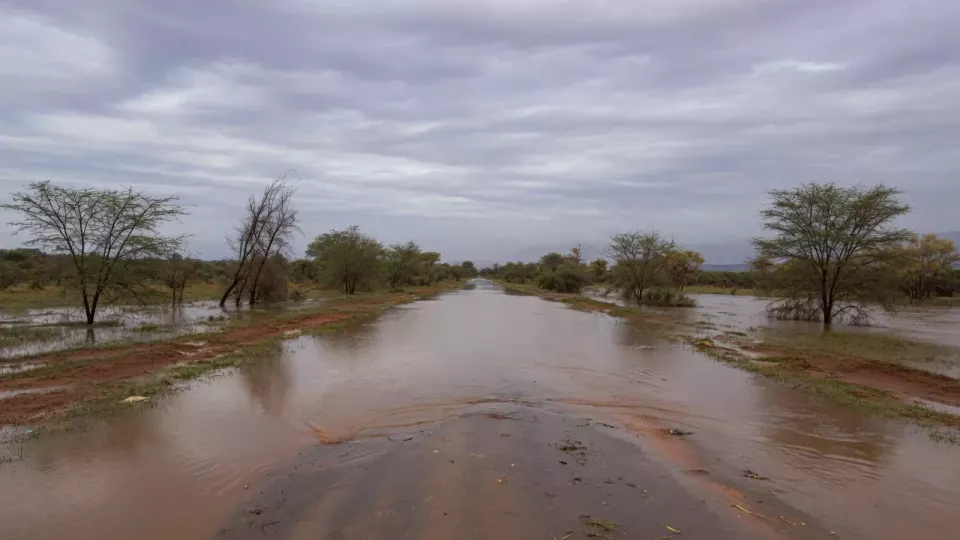
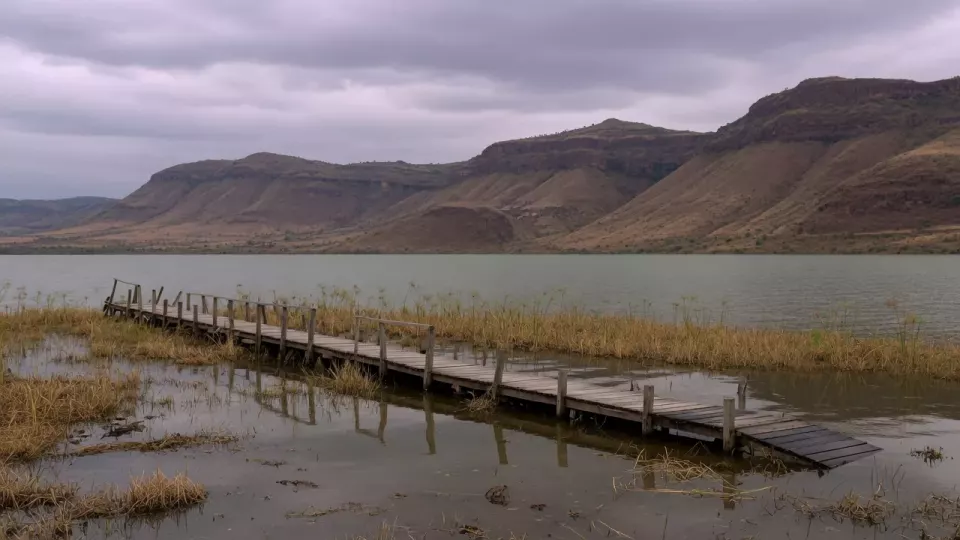
ACMAD Director General Dr. Ousmane Ndiaye described the unfolding situation as one where El Niño is "amplifying climate variability, driving severe drought and flood in coastal and equatorial regions." For Kenya and its East African neighbours, the concern is particularly pressing. Forecasters expect significantly elevated flood risks across Eastern Africa and the Horn of Africa during the August, September and October window — months that overlap with the short rains season and the planting calendar that millions of smallholder farmers depend on for their livelihoods.
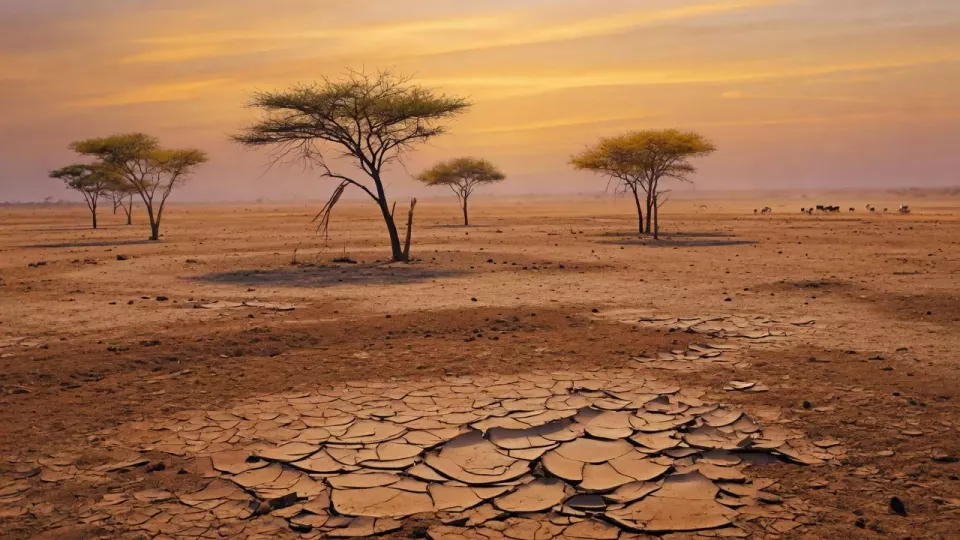
Elsewhere on the continent, the picture is equally troubling. The Sahel and Southern Africa are bracing for prolonged dry spells that could wipe out entire harvests, while coastal zones face heightened flooding risks capable of damaging roads, bridges and other vital infrastructure. The uneven spread of these effects means no single region escapes unscathed — with some areas drowning in floodwater while others bake under relentless drought.
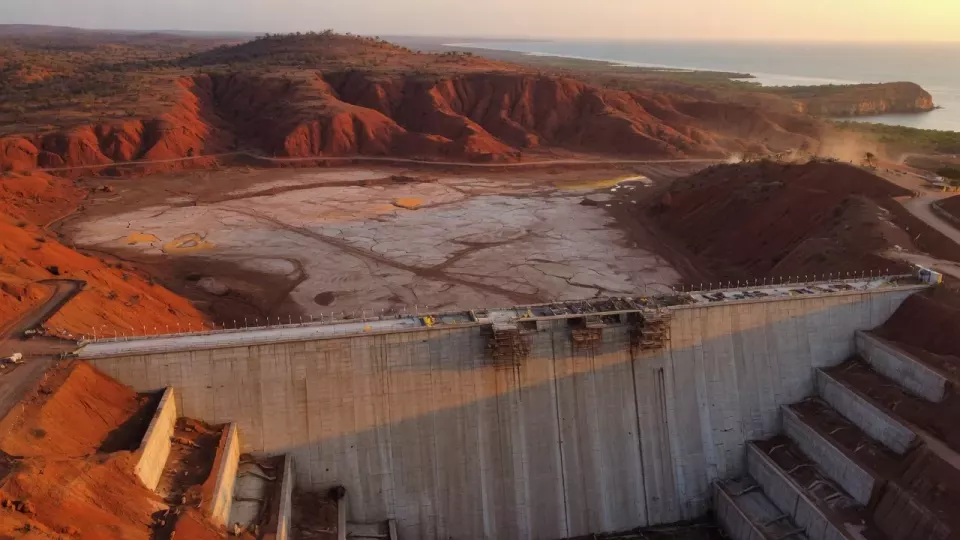
The consequences reach well beyond rainfall and temperature. Dr. Ndiaye cautioned that multiple critical systems face serious disruption, warning that "crops fail under erratic rainfall, hydropower inflows decline and disease outbreaks intensify in vulnerable communities." Kenya, which relies heavily on rain-fed agriculture and hydroelectric generation from river systems such as the Tana, sits squarely in the path of these compounding pressures. Food supply chains, public health networks and urban infrastructure are all identified as sectors facing elevated risk.
ACMAD is urging governments across the continent to get ahead of the crisis rather than scramble to respond after it strikes. Recommended measures include promoting drought-resilient crop varieties capable of withstanding erratic rainfall, strengthening disease surveillance and health advisory systems, and putting robust water conservation and management structures in place. Communities at the grassroots level are equally encouraged to draw up local preparedness plans before conditions worsen.
The African Union Commission added its weight to the call for urgent action, emphasising that scientific forecasts must be converted into concrete policy decisions well before the worst climate impacts arrive on the ground. For Kenyan policymakers, county governments and farmers, the message is unambiguous: the window to act is narrow, and the cost of delay — measured in failed harvests, stretched health budgets and damaged infrastructure — could far outweigh the investment required to prepare now.