Africa Must Lead on Climate Action After Landmark ICJ Ruling, Experts Say

African leaders, climate scientists, and policymakers convened in Nairobi for a high-stakes three-day conference focused on translating climate commitments into concrete action, following a watershed International Court of Justice advisory opinion handed down on July 23, 2025. The ruling established that nations carry binding legal duties to safeguard the global climate system and can be held accountable for harm caused by climate-related failures — a shift that delegates said fundamentally changes the landscape for climate governance.
For Kenya, the ruling carries particular weight. The country's Foreign Affairs Principal Secretary told delegates that climate commitments can no longer be treated as voluntary political decisions. "Climate commitments are no longer political choices. They are legal obligations," the PS said, adding that Kenya must step up implementation and ensure climate considerations are embedded in every development decision the government makes going forward.
The gathering drew a broad cross-section of stakeholders, including senior officials from across East Africa and the Horn of Africa, alongside representatives from the East African Community, the African Union Commission, and the United Nations. Legal experts and civil society organisations also took part, reflecting the multidisciplinary approach required to turn a court ruling into real-world change.
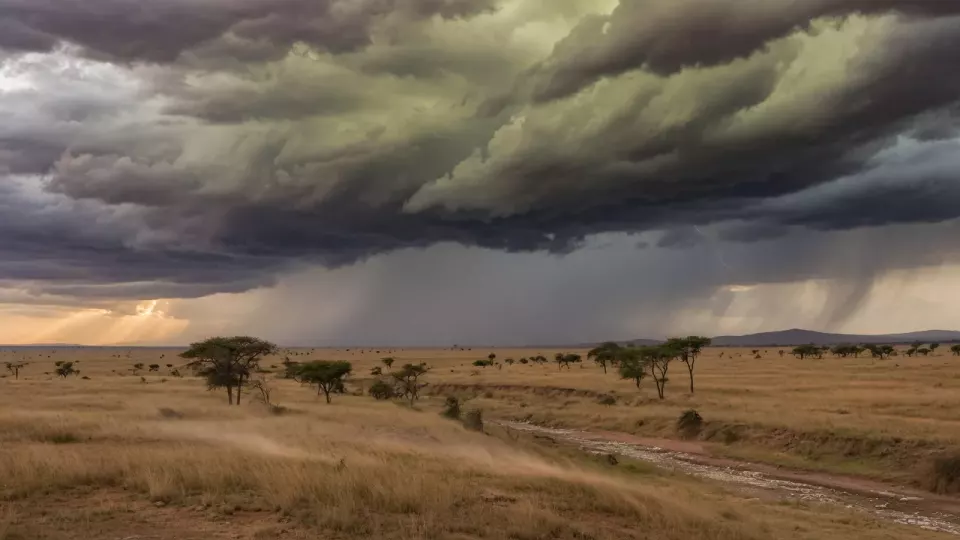
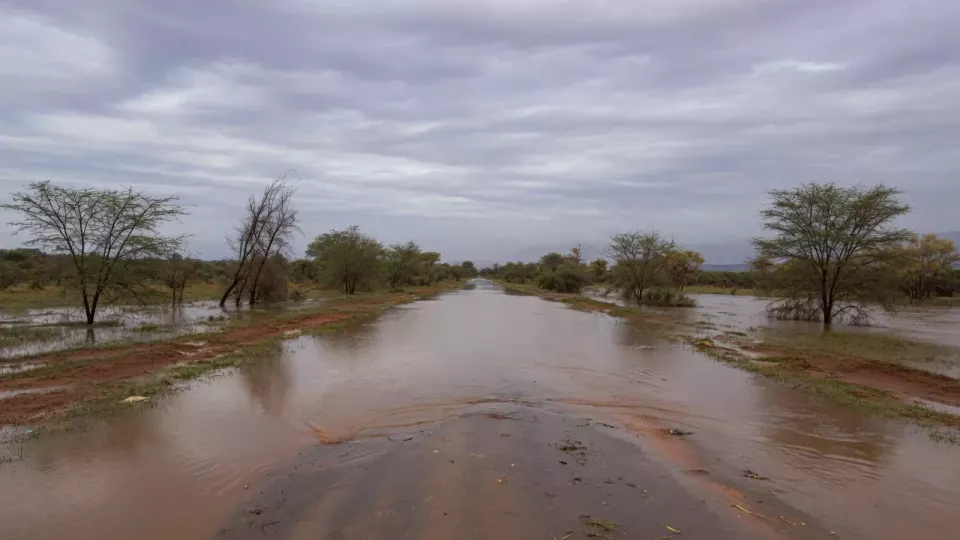
A central message from participants was that African nations must forge locally tailored responses to the crisis, even though the continent accounts for less than four percent of global greenhouse gas emissions. Despite contributing so little to the problem, Africa continues to bear a disproportionate burden — rising temperatures, persistent droughts that deepen food insecurity, and increasingly violent rainfall events that trigger floods and displace entire communities.
The CEO of CIFOR-ICRAF, the international research body on forests and agroforestry, underscored the need for integrated action, arguing that resolving the climate crisis demands "science, law, and policy to work together" so that high-level principles translate into real, tangible benefits for ordinary people on the ground — not merely declarations in conference rooms.
A pressing concern raised throughout the conference was the chronic shortfall in climate financing. Pledges made to the Loss and Damage Fund remain far below what is actually needed, with developing countries projected to require hundreds of billions of dollars annually to cope with climate impacts. Current commitments fall well short of that figure, leaving a gap that threatens to stall even the most ambitious national plans.
Despite these financing constraints, African nations are advancing practical initiatives including landscape restoration, climate-smart agriculture, and the expansion of renewable energy capacity. Experts agreed, however, that sustained funding and stronger governance frameworks are indispensable if the continent is to convert the legal momentum generated by the ICJ ruling into meaningful, lasting progress for its people.