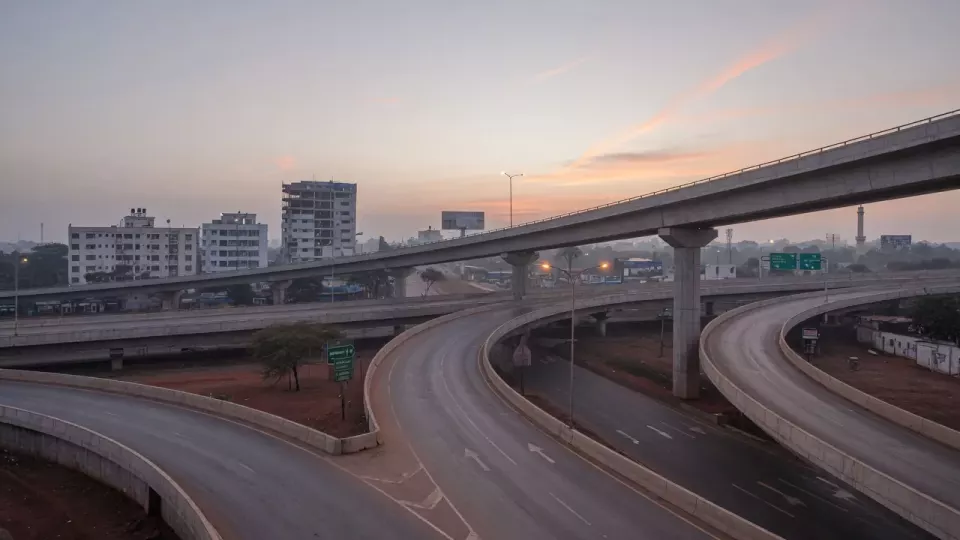
Nairobi’s Metro Dream Edges Closer as Mass Transit Planning Advances
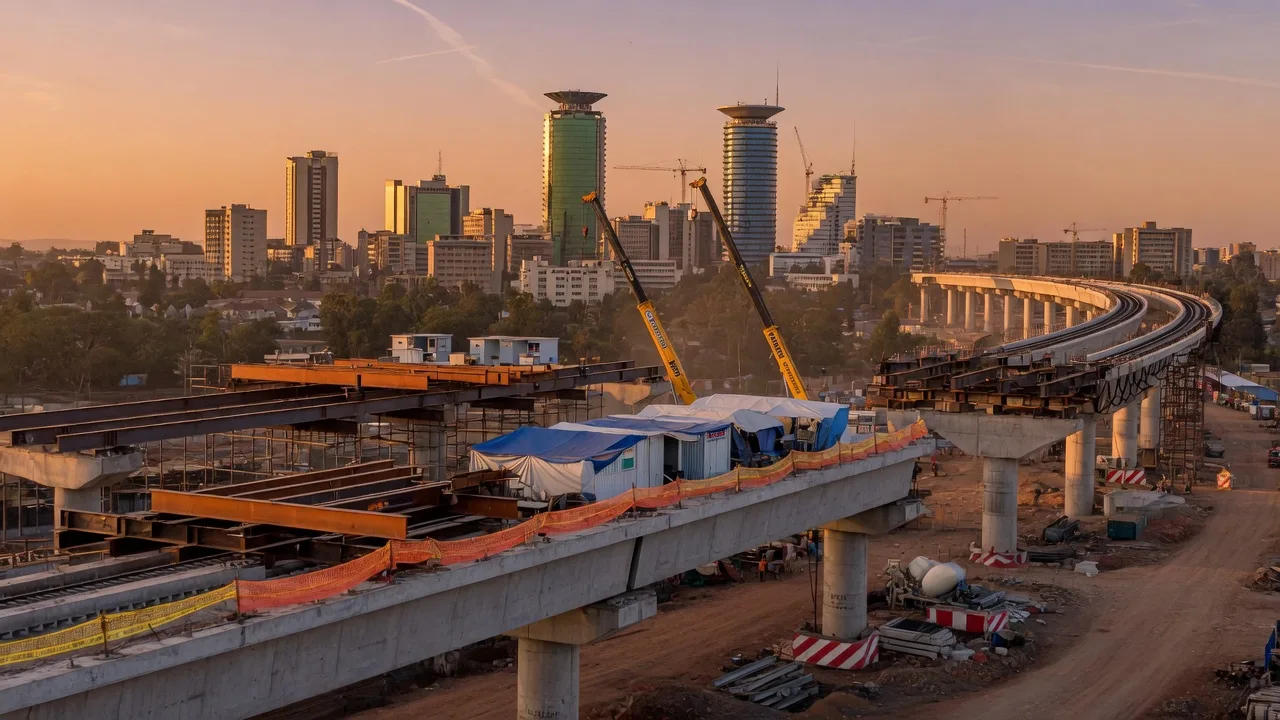
Key points:
- Nairobi’s growth has outpaced road-only mobility for years.
- Metro and high-capacity transit concepts are again in public debate as congestion costs rise.
- Delivery will hinge on financing, land access and integration with matatus and BRT.
Why roads are not enough
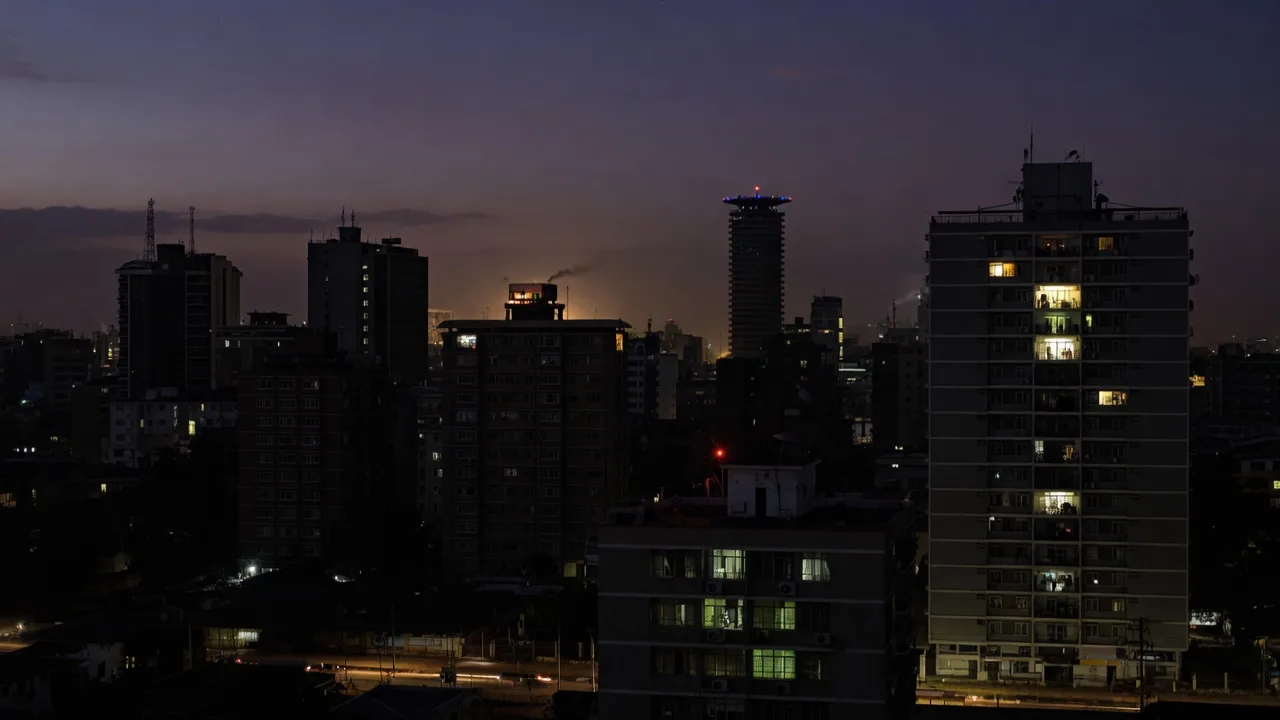
A metropolis of over five million people cannot rely solely on surface roads to move its workforce—that argument anchors a fresh Nation.Africa blog arguing Nairobi’s metro dream is finally becoming real. The piece lands as traffic, air quality and lost productivity dominate city politics.
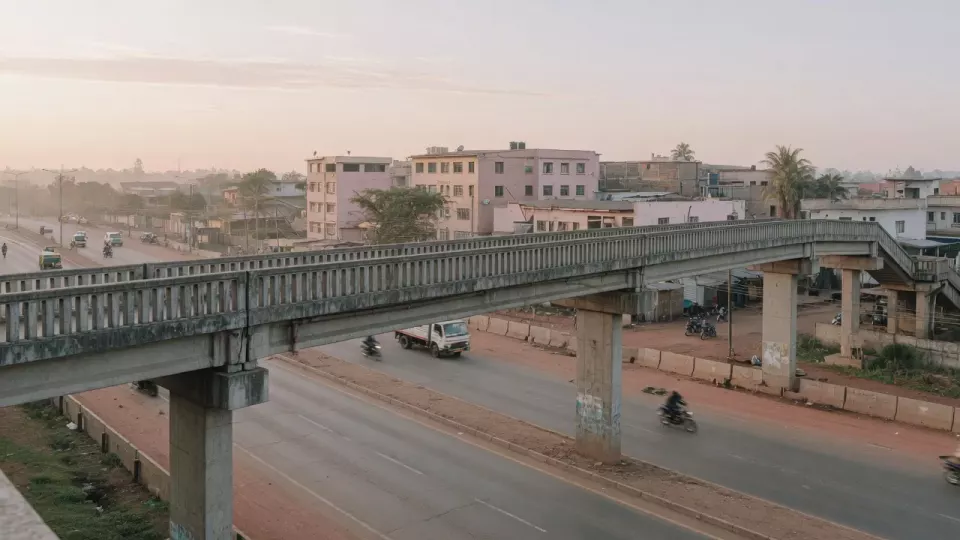
Nairobi has tried iterations of BRT, SGR passenger links, and road expansion. Each helps a corridor; none alone solves peak-hour gridlock from the metropolitan counties into the CBD. Rail-based urban transit, whether branded metro or light rail, reappears whenever fuel prices spike or election seasons demand “transformation” language.
What must still be solved
What has changed is less the slogan than the urgency: vehicle numbers, logistics for industry, and climate commitments all push planners toward higher-capacity modes. Integrating any metro spine with matatu reorganisation and last-mile walking or cycling is the hard operational work after ribbon-cutting renderings.
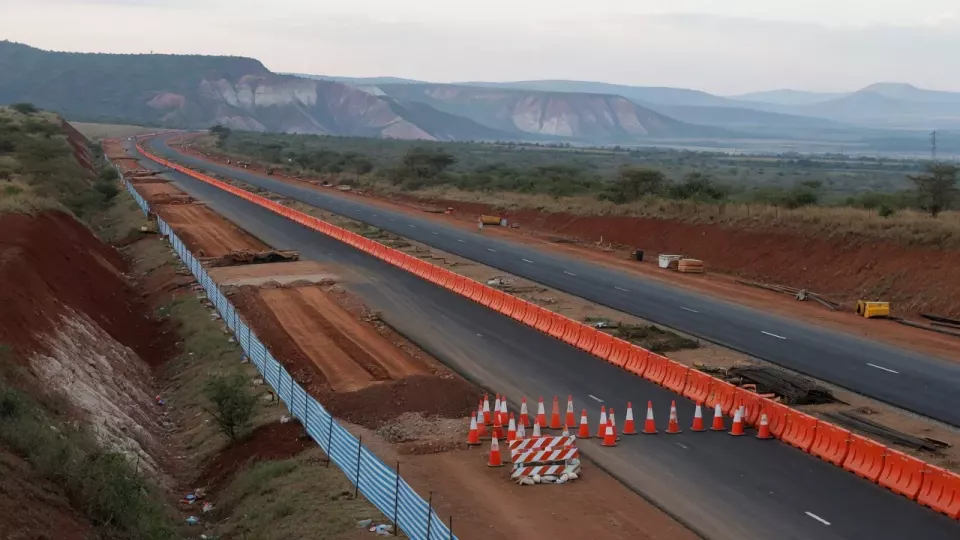
Financing remains the gate. Urban rail needs long tenors, stable fare policy and land for depots and stations. Without transparent contracts and community buy-in on resettlement, projects stall in court or on the roadside.
For commuters, the test is simple: will a future line cut door-to-door time and cost enough to leave the car or the packed fourteen-seater? Until trains run on a published timetable, the metro remains a carefully argued hope—but one that city leaders can no longer treat as optional poetry.
Sources: Nation.Africa blog on Nairobi metro; urban transport policy context.