Kenya's Insurance Penetration Rate Climbs to 3.2% as Mobile Micro-Insurance Takes Off
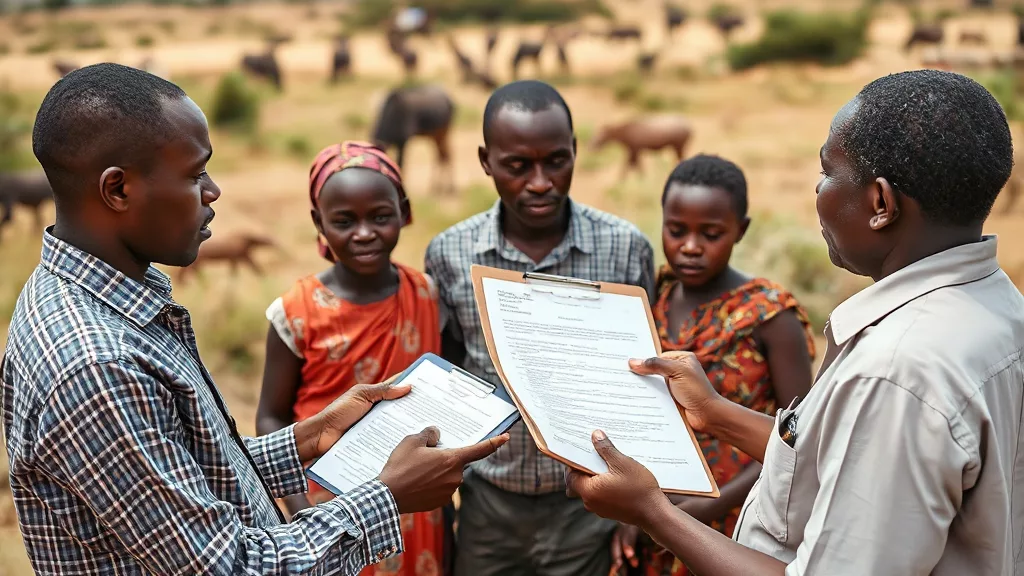
Kenya's insurance penetration rate has climbed to 3.2% of GDP in the first quarter of 2026, the Insurance Regulatory Authority (IRA) has confirmed, marking the highest level ever recorded and a significant step towards the government's target of 5% penetration by 2030. The improvement has been almost entirely driven by rapid uptake of mobile and micro-insurance products targeted at the 60% of Kenyans who remained entirely uninsured as recently as 2022.
IRA commissioner-general Godfrey Kiptum attributed the progress to three converging forces: Safaricom's M-Pesa platform embedding insurance products within its super-app framework, a new regulatory sandbox that allowed insurers to pilot products with relaxed capital requirements, and the rollout of the Social Health Authority, which — despite its own teething difficulties — has increased Kenyan households' consciousness of health financial risk.
Mobile Products Reshape the Market
The flagship micro-insurance success story is Bima ya Mkulima, a weather-indexed crop insurance product distributed through M-Pesa that enrolled 1.4 million smallholder farmers in the 2025-2026 long rains season. Farmers pay premiums as low as Ksh 200 per season, deducted automatically from their M-Pesa wallets, and receive automatic payouts when Meteorological Department rainfall indices fall below specified thresholds — without the need to file a claim. The product, underwritten by UAP-Old Mutual and reinsured by the African Trade Insurance Agency, paid out Ksh 340 million to farmers in arid and semi-arid counties following erratic rainfall in March 2026.
"Index-based insurance removes the moral hazard problem and the claims inspection cost that make traditional agricultural insurance unviable at small scale," said UAP-Old Mutual Kenya chief executive Arthur Oginga. "What we've built is a model where technology does all the heavy lifting — the satellite data, the M-Pesa deductions, the automated payouts — and the farmer simply has peace of mind."
Beyond agriculture, mobile health micro-insurance has seen explosive growth. Jubilee Insurance's Linda Jamii product, offered through M-Pesa at Ksh 50 per week per individual, now covers 2.1 million people for outpatient consultation, generic drugs, and specified inpatient events up to Ksh 50,000. The product has been particularly popular among gig economy workers — boda boda operators, online delivery riders, market traders — who were almost entirely absent from the formal insurance market before its launch.
SHA Integration Creates Both Opportunity and Uncertainty
The transition from NHIF to the Social Health Authority has created a complex relationship with the private insurance industry. On one hand, SHA's expanded public benefit package has increased demand for private top-up cover among middle-class Kenyans who want access to private hospitals and specialist services not covered under the government scheme. On the other, delays in SHA claims processing — which the Kenya Association of Healthcare Providers has described as reaching a critical point, with some facilities owed over Ksh 2 billion in outstanding SHA reimbursements — have dented confidence in publicly managed health financing and paradoxically increased interest in private alternatives.
The IRA has issued guidance clarifying that micro-insurance products do not constitute a substitute for SHA compliance but can serve as complementary cover, a distinction that has helped insurers position their products without running afoul of the SHA's mandatory enrolment framework. CS for Health Dr Deborah Barasa met insurer trade bodies in May to work through a proposed "SHA Plus" framework under which private insurers would offer regulated top-up products in a standardised format, potentially reaching an additional three million people by 2028.
Closing the Gap to African Peers
At 3.2%, Kenya's penetration rate still lags South Africa (12.8%), Morocco (4.1%), and Namibia (6.7%) but is now comfortably ahead of the Sub-Saharan African average of 2.8%. The IRA's 2030 target of 5% implies adding approximately Ksh 220 billion in gross written premium over the next four years, a challenge that will require both deepening penetration among the low-income population and growing average premium values as Kenya's middle class expands.
Reinsurance capacity, largely sourced from global markets through Nairobi's growing reinsurance hub status, remains a potential bottleneck. The Kenya Re Corporation, Africa's third-largest reinsurer, has begun marketing facultative reinsurance capacity to underwriters in francophone West Africa, a development that could significantly expand Kenya's role in the continental risk management ecosystem ahead of the country's 2028 LA Olympics profile moment.