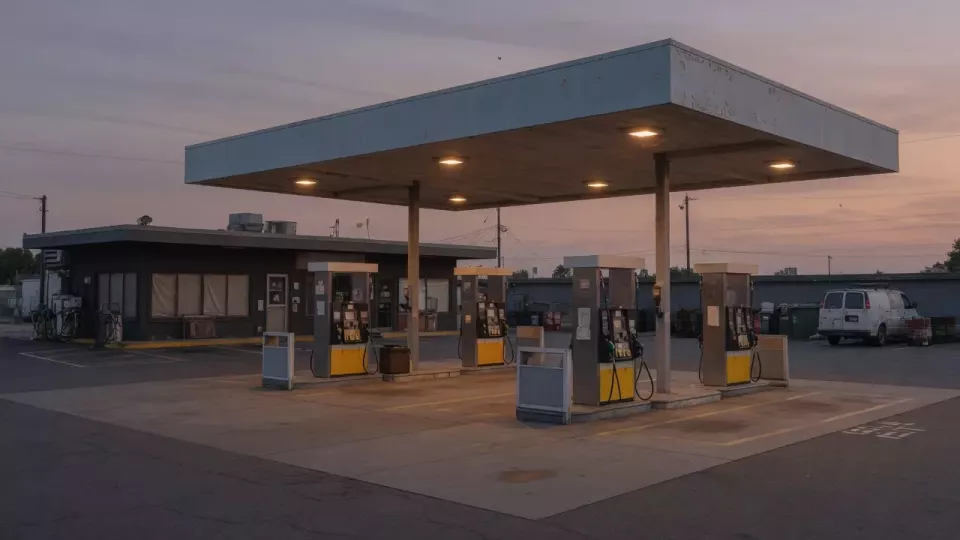
Kenya condemns Red Sea attacks, leans on G-to-G fuel deals with Saudi producers
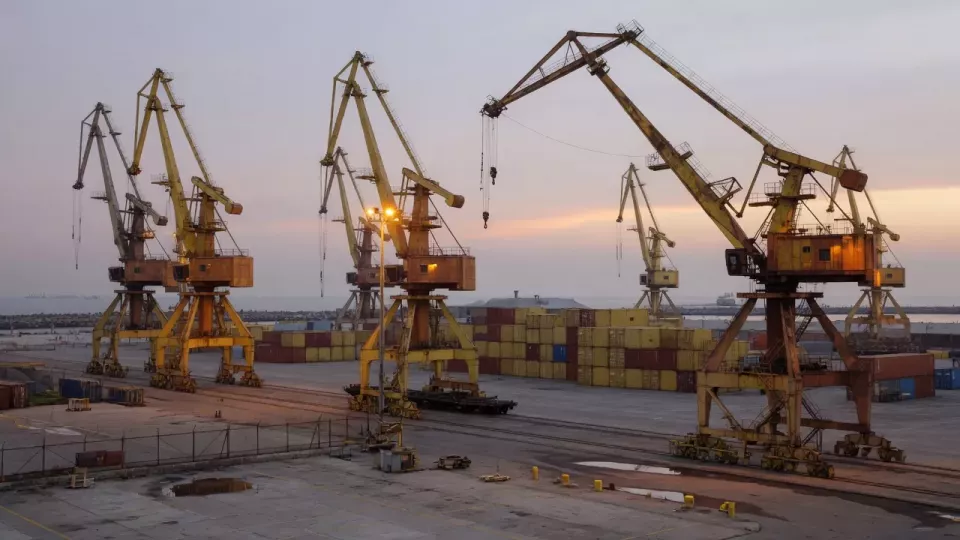
Key points
- Kenya’s PCS/Foreign Affairs statement condemns Houthi attacks on Red Sea commercial shipping.
- Risks named: fuel supply, freight, insurance, fertilizer costs and domestic inflation.
- Statement pairs Red Sea disruption with pressure from the Strait of Hormuz closure.
- Buffer cited: G-to-G fuel import framework with major producers, especially Saudi Arabia.
Kenya’s foreign-policy desk put maritime violence on the household ledger. A joint note from the Prime Cabinet Secretary’s office and Foreign and Diaspora Affairs, carried by Capital FM, condemned Houthi strikes on commercial ships — including hits affecting Saudi tankers — and warned that threats to close Bab al-Mandab raise the cost of moving energy and goods.
The statement also folds in stress from the Strait of Hormuz. Together, officials say, those routes can push insurance and freight higher on oil, fertilizer and other essentials, then feed Kenya’s import bill and consumer inflation. No shilling figure was attached to the pump; the mechanism is the point.
G-to-G as cushion, not magic
Nairobi says it will keep buying fuel through a government-to-government channel with major producers, with Saudi Arabia named as a key partner, to reduce disruption risk. That is a supply-contract story. Retail prices still pass through EPRA reviews, local margins and the shilling. Manufacturers should model 10-day and 30-day freight spikes rather than wait for a single press assurance.
Diplomatically, Kenya called for de-escalation and collective defence of free navigation. Importers should watch war-risk premiums, Mombasa dwell times and any release rules for strategic stocks. Fertilizer timing before planting seasons is as sensitive as diesel for matatus.
Household read
If global lanes stay hot, expect pressure on transport fares and packaged foods even when crude dips for a week. Local tax and distribution choices can amplify or dampen that pass-through — a reminder that not every price shock is purely “Middle East.”
Shippers booking Mombasa-bound cargo for August–October should request dual quotes with and without war-risk overlays. County consumer desks can prepare plain-language fuel explainers now, so any EPRA jump is not left entirely to rumour markets on WhatsApp.
Based on Capital FM reporting of the Kenya PCS/MFA statement on Red Sea attacks and fuel contingency measures. Pump prices remain subject to EPRA and market conditions.