
Court Awards Sh50 Million to Families of 2024 Protest Victims Shot by Police
Crime

Court Awards Sh50 Million to Families of 2024 Protest Victims Shot by Police

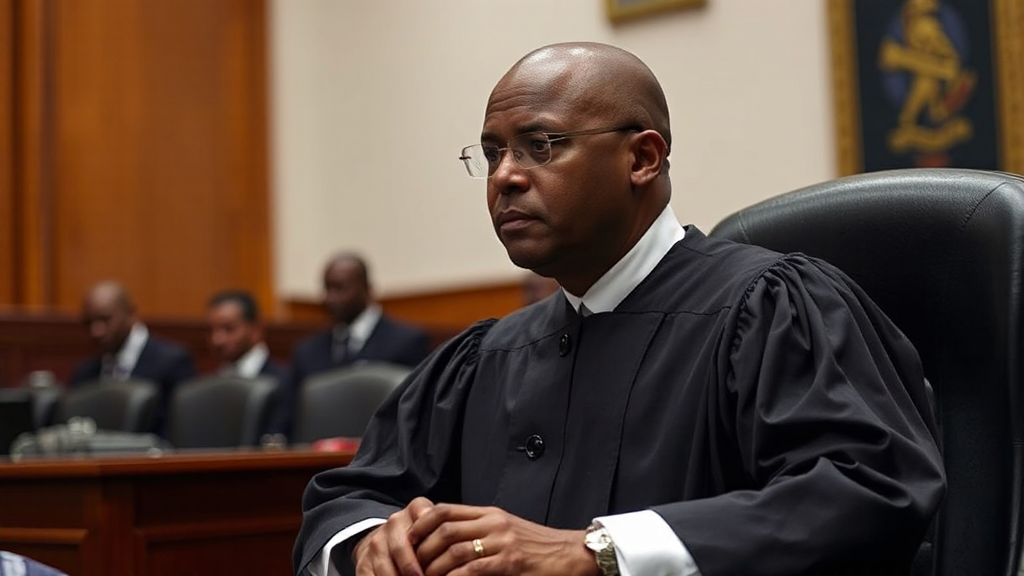
In a landmark ruling that marks a significant moment of accountability for the state’s response to Kenya’s seismic 2024 anti-Finance Bill protests, the High Court on Thursday ordered the government to pay Sh50 million in compensation to the families of nine individuals killed by police gunfire during the demonstrations that swept the country between June and July 2024. The ruling by Justice John Mativo in the Constitutional and Human Rights Division is the most substantial judicial finding yet against the state for its conduct during a period that fundamentally reshaped Kenyan politics.

The ruling found that six of the nine deaths were the result of direct, unprovoked gunfire by officers of the General Service Unit and the Regular Police Service, constituting a violation of the constitutional right to life under Article 26 and the right to assembly under Article 37. Three further deaths were attributed to injuries consistent with rubber bullets and teargas grenades fired at close range in circumstances the court found were disproportionate and unjustified.

The Case and the Court’s Findings

The consolidated petition was filed in September 2024 by the families of nine of the sixty-plus individuals documented as killed during the protests, represented by a consortium of human rights lawyers including the Law Society of Kenya, the Kenya Human Rights Commission, and Amnesty International Kenya. The government, represented by the Attorney-General’s office, argued throughout that officers had acted in accordance with use-of-force regulations and that several of the deaths were unrelated to police action.

Justice Mativo dismissed those arguments comprehensively. Drawing on CCTV footage, post-mortem reports from government pathologists, ballistic analysis commissioned by the court, and testimony from fifty-three witnesses, the judge concluded that “the evidence does not support a narrative of proportionate crowd control. It supports a narrative of lethal force deployed against unarmed civilians exercising constitutionally protected rights.”

The court ordered payment of Sh4 million to Sh7 million per family, depending on the circumstances of each death, age of the victim, and number of dependants. The families of Brian Chira, 23, a student from Kiambu whose death was captured on widely shared video, and of Careen Chepchumba, 19, shot in Githurai 45, were awarded the highest individual sums. Total compensation ordered is Sh50.4 million, payable within 90 days.

Political Reverberations

The ruling arrives at a sensitive moment for President Ruto’s administration, now in its third year, with the 2027 general elections approaching and the political legacy of the Gen Z uprising still raw. The protests forced the withdrawal of the Finance Bill 2024, triggered a Cabinet reshuffle, and catalysed a generation of young Kenyans into sustained political engagement. Several of the 2024 protest leaders have since launched civic organisations and are openly positioning themselves ahead of 2027 contests.

Law Society of Kenya President Faith Odhiambo called the ruling a milestone but emphasised it was only a beginning. “Sh50 million for nine lives is not justice — it is a starting point,” she said. “There are over fifty additional families pursuing separate cases. There are police officers whose names are known, against whom no criminal charges have been filed. Accountability must go beyond compensation.”

The Independent Policing Oversight Authority confirmed it has completed investigations into 23 of the 61 documented protest deaths and has forwarded files to the DPP recommending prosecution in eleven cases. The DPP has yet to act on those recommendations. Director Ingonga said his office was reviewing the files but declined to give a timeline, citing the complexity of building cases against named officers when some witnesses have reported intimidation.

Government’s Response

Attorney-General Dorcas Oduor said the state respected the court’s ruling and would engage the Treasury to identify the payment mechanism but indicated the government was considering whether to lodge a limited appeal on quantum. The statement was met with fury by family representatives. “They fought us every step of this case, and now they want to appeal the compensation amounts for children they shot dead,” said advocate Omwanza Ombati, who represented four of the families.

Parliament’s Justice and Legal Affairs Committee announced it would summon the Inspector General and the DPP within 30 days to account for progress on criminal accountability. The Gen Z civic networks have called for a national day of reflection on 25 June — the anniversary of the storming of Parliament — to mark what they describe as “a justice process that is still far from complete.”
Read More
Kenya's Prisons Overcrowding Crisis Deepens as Population Hits 60,000
Crime

Kenya’s Prisons Overcrowding Crisis Deepens as Population Hits 60,000

Kenya’s prison system is in the grip of a deepening humanitarian crisis after official figures released by the Kenya Prisons Service confirmed that the national inmate population reached 60,247 as of 1 July 2026 — nearly three times the system’s designed capacity of 22,000. Prison commissioners, human rights organisations and members of the Departmental Committee on Administration and Internal Security are now warning that without urgent structural intervention, the situation will deteriorate into a public health and security emergency.

The figures represent an increase of approximately 4,200 inmates since January 2026, driven primarily by a surge in pre-trial detention — an estimated 34 per cent of the current prison population has not been convicted of any offence but is awaiting trial in an overburdened court system. The average time a remand prisoner spends in custody before trial in Kenya currently stands at 22 months, according to the Prisons Service’s own data.

Conditions Inside

A monitoring report released jointly by the Kenya National Commission on Human Rights and the Independent Medico-Legal Unit in June painted a stark picture of conditions across the country’s 119 prisons and remand homes. Kamiti Maximum Security Prison, designed for 2,500 inmates, is holding over 6,000. Nairobi Remand and Allocation Prison — colloquially known as Industrial Area — has nearly 4,000 inmates against a capacity of 800. Kodiaga Prison in Kisumu holds over 3,500 against a stated capacity of 1,200.

The report found that in the most overcrowded facilities, individual sleeping space averages 0.3 square metres per prisoner — a fifth of the minimum standard set by the UN Standard Minimum Rules for the Treatment of Prisoners. Tuberculosis infection rates within prisons are estimated to be 30 times higher than in the general population. Medical staff coverage is critically inadequate: the Prisons Service employs 87 doctors for 60,000 inmates, a ratio of one doctor to every 692 prisoners.

“People are sleeping in shifts because there is not enough floor space to lie down,” said Dr Isaac Ochieng of the Independent Medico-Legal Unit. “We documented open wounds left untreated for weeks, TB patients sharing sleeping mats with other inmates, and mental health cases receiving zero specialised care. This is not a correctional system — it is a containment exercise that makes people worse.”

Systemic Causes

The Attorney-General’s office and the Judiciary have identified several systemic drivers of overcrowding. Mandatory minimum sentences introduced under anti-terrorism, drug trafficking and sexual offences legislation have removed judicial discretion to impose non-custodial alternatives. The cash bail system disproportionately penalises poor defendants who cannot afford bail: over 20,000 remand prisoners are detained on bailable offences they simply cannot afford to be released from.

The DPP’s office has been under pressure to accelerate nolle prosequi decisions — formal decisions not to proceed — in cases where evidence is insufficient, but the office cites resource constraints. “We have 450 prosecutors nationally for a caseload that would require 1,200 to clear efficiently,” said Senior Prosecution Counsel David Kimani. “Cases pile up, and the human cost of that backlog is measured in years of people’s lives spent in remand.”

The SHA rollout replacing NHIF has created additional complications for prison healthcare, as prisons have not been fully integrated into the new universal health coverage framework, leaving medical supply chains uncertain in multiple facilities.

Calls for Reform

The National Assembly’s Administration Committee is currently reviewing the Prisons (Amendment) Bill, 2026, which proposes expanded use of community service orders, electronic monitoring for low-risk offenders, and an emergency decongestion mechanism allowing the Chief Justice to order the release of unconvicted remand prisoners held beyond 24 months. Civil liberties groups support the bill but warn that without parallel investment in community supervision infrastructure, electronic monitoring risks becoming an unfunded mandate.

The government has allocated Sh2.8 billion in the 2026/27 budget for prison infrastructure, including a new 3,000-capacity facility in Konza Technopolis — but that facility is not expected to be operational before 2029. In the interim, rights groups are urging the Ruto administration to issue an executive directive expanding eligibility for the presidential pardon mechanism for non-violent, first-time offenders, a measure last deployed meaningfully in 2019. The 2027 election cycle is already shaping political calculations around the reform agenda.

Read More
Land Grabbing Case: Nairobi Developers Charged After Demolishing Homes of 200 Families
Crime

Land Grabbing Case: Nairobi Developers Charged After Demolishing Homes of 200 Families

Three prominent Nairobi real estate developers have been charged with criminal land grabbing, forgery, and incitement following the forcible demolition of homes belonging to approximately 200 families in the Ruai area of Nairobi East sub-county, an act that left an estimated 1,100 men, women and children homeless overnight during a rainstorm last month. The case has become a flashpoint in the ongoing national debate over land tenure insecurity and the vulnerability of low-income urban communities to fraudulent title deed schemes.

The accused — businessman Harrison Ngugi, 52, his business partner Simon Waweru, 47, and company director Grace Muthoni, 39, all associated with the registered firm Horizon Realty East Africa Ltd — appeared before Milimani Chief Magistrate Bernard Ochoi on Tuesday, where they denied all charges. The prosecution, led by Senior Assistant Director of Public Prosecutions Anne Mugambi, alleges that the trio presented forged title deeds claiming ownership of a 15.3-acre parcel that had been occupied and developed by low-income families for over two decades.

How the Scheme Allegedly Unfolded

According to the charge sheet, Horizon Realty registered a title for the Ruai land in March 2026 using a deed that the Lands Registry has since flagged as bearing characteristics of forgery, including an irregular survey number and a stamp predating the purported registration date. Within weeks of obtaining the title, the company hired private security contractors who, accompanied by individuals the prosecution alleges were illegally impersonating county enforcement officers, arrived at the settlement on the evening of 4 June with earthmoving equipment and demolished structures housing 210 households over approximately six hours.

Survivors described scenes of chaos. “They came at night during heavy rain. We were given thirty minutes to take whatever we could carry,” said Mary Wanjiku, 34, whose family of six had lived on the land since 2008. “My children’s school uniforms, our documents, everything that we could not carry was buried under the rubble.” Photographs shared by residents and independently verified by ZaKenya.com show multiple completed stone houses, small businesses, and a children’s community library reduced to concrete debris.

The National Lands Commission confirmed it had not authorised any compulsory acquisition of the Ruai land and had launched an independent inquiry into how the title was registered. NLC Chairperson Samuel Tororei described what appeared to have happened as “a systemic failure involving multiple points of vulnerability in our land registration process” and said heads would roll if public officers were found to have facilitated the fraud.

Political and Policy Dimensions

The case has acquired significant political dimensions. Several families have produced receipts from a defunct county land allocation programme dating to the 2000s, and community legal representatives say the land’s occupation history should have been discoverable through proper due diligence. Land rights organisations argue that Kenya’s digitisation of land records — accelerated under the Ruto administration as part of the BBI-era reforms — has paradoxically created new opportunities for fraud by enabling doctored entries to be inserted more easily than in the analogue era.

“Digitisation was supposed to end grabbing,” said Odenda Lumumba of the Kenya Land Alliance. “But without integrity audits and community verification processes, you have simply moved corruption onto a screen. The problem is governance, not technology.”

Interior CS Kipchumba Murkomen said the government would ensure that the evicted families received temporary shelter through county-managed sites while the legal process unfolded, and that the demolished site would be subject to a court-ordered preservation order preventing any further development until the case is resolved. Nairobi Governor Johnson Sakaja confirmed on Wednesday that the county had allocated emergency humanitarian relief for the displaced families, including food packages and portable sanitation.

Community and Legal Pushback

The affected families, represented pro bono by the Legal Resources Foundation, have filed a constitutional petition before the High Court’s Environment and Land Court division, citing violations of the right to housing under Article 43 of the Constitution. A conservatory order obtained on an emergency basis on 10 June has halted any further activity on the land. The petition also names the Nairobi City County and the National Lands Commission as respondents, alleging systemic negligence.

The criminal case against Ngugi, Waweru and Muthoni continues on 30 July. The prosecution has indicated it will present evidence linking the forged deed to a specific government registry clerk whose dealings are now the subject of a parallel DCI investigation. If convicted on all charges, the developers face up to ten years’ imprisonment and unlimited fines under the Land Registration Act and the Penal Code.

Read More
Human Trafficking Network Broken in Mombasa; 47 Victims Rescued
Crime

Human Trafficking Network Broken in Mombasa; 47 Victims Rescued

A joint operation by the Directorate of Criminal Investigations and Interpol’s human trafficking response team has dismantled a sophisticated trafficking syndicate operating out of Mombasa’s Old Town, rescuing 47 victims — including 12 children — who were being prepared for transport to Gulf states under the guise of domestic employment contracts. Eight suspects have been arrested, among them the alleged ringleader, identified as a Kenyan woman of Somali origin trading as a legitimate recruitment agency.

The operation, which drew on six months of surveillance and intelligence sharing with law enforcement agencies in the United Arab Emirates, Qatar and Oman, was executed in the early hours of Thursday morning across three locations in Mombasa County: a residential compound in Tudor, an apartment block in Nyali, and a transit holding point near Moi International Airport.

Conditions Victims Were Found In

DCI officers described conditions at the Tudor compound, where 29 of the 47 victims were being held, as “deeply disturbing.” Victims — predominantly young women and girls from Western Kenya, Tanzania and Ethiopia — had had their national identity documents and passports confiscated and were being coached to lie to immigration officers about the nature of their employment abroad. Some had been held at the compound for up to three weeks. Medical assessments conducted by the Kenya Red Cross found evidence of physical abuse in fourteen cases and severe psychological distress in the majority of victims.

“These victims were told they were going to Bahrain or Qatar to work as housekeepers for wealthy families, earning Sh30,000 a month — money that would change their lives,” said DCI Spokesperson Resila Onyango. “Instead, they were being trafficked into conditions of forced labour, and in some of the cases involving the younger girls, we have very serious concerns about sexual exploitation.”

The twelve minors, aged between 13 and 17, were transferred to the Mombasa County Children’s Department and the Department of Children Services. Child rights organisation ANPPCAN Kenya has been appointed to coordinate their reintegration and, where possible, reunification with families. Two of the children are Tanzanian nationals whose families have been contacted through the Tanzanian High Commission.

The Trafficking Pipeline

Investigators say the Mombasa network formed part of a broader East Africa to Gulf trafficking pipeline that has been expanding since 2022. Traffickers exploit the EAC’s eased internal movement arrangements to move victims from Rwanda, Uganda, Tanzania and South Sudan into Kenya’s coastal corridor before facilitating irregular departure through Moi International Airport or, in some cases, by sea to Yemen and then overland to Gulf destinations.

Counter-trafficking NGO the Harakati Foundation estimates that between 3,000 and 5,000 Kenyans are trafficked abroad annually, with the vast majority destined for domestic servitude in Gulf countries. The problem is compounded by high youth unemployment — officially above 35 per cent for those aged 18 to 35 — and the economic pressure that the IMF-driven austerity programme has placed on rural households already strained by El Nino crop losses.

“Desperate people are easy targets,” said Faridah Wanjiku of the Harakati Foundation. “When there are no jobs at home and someone promises you a salary abroad, you believe them. We need to combine law enforcement with genuine economic opportunity. Prosecution alone will not break this cycle.”

Accountability and Next Steps

The eight suspects, including the recruitment agency operator identified as Fatuma Hassan, 44, appeared before the Mombasa Chief Magistrate’s Court on Friday and were charged under the Counter-Trafficking in Persons Act. The prosecution applied successfully for all eight to be remanded in custody, arguing evidence of a transnational network and substantial flight risk. A case management conference has been set for 25 July.

The DCI has appealed to members of the public with information about similar networks operating in Nairobi, Kisumu, and Nakuru — cities where investigators believe feeder cells are active — to contact the Anti-Human Trafficking Unit on its dedicated tip line. The Ministry of Foreign Affairs is also coordinating with Kenyan missions in the UAE and Qatar to identify and repatriate Kenyans believed to be in situations of forced labour in those countries. A repatriation exercise in May 2026 brought home 118 Kenyans from Kuwait, many of whom reported conditions consistent with trafficking.

Read More
Cybercrime Cases in Kenya Up 67% in 2026 as Scammers Target Mobile Wallets
Crime

Cybercrime Cases in Kenya Up 67% in 2026 as Scammers Target Mobile Wallets

Kenya’s Communications Authority has released mid-year data revealing a 67 per cent increase in reported cybercrime incidents compared with the same period in 2025, with mobile money fraud — particularly attacks on Safaricom’s M-Pesa platform and mobile banking applications — accounting for 58 per cent of all cases. The CA’s Cybercrime and Computer Misuse Directorate received 14,836 formal complaints between January and June 2026, up from 8,885 in the first half of 2025.

The figures, released on Wednesday, understate the true scale of the problem: the CA estimates that fewer than one in five cybercrime victims file a formal report, meaning the actual number of incidents could exceed 70,000 nationally in the first six months of the year alone. Financial losses directly attributed to the reported cases total Sh3.2 billion.

AI-Powered Scams Driving the Surge

Investigators at the DCI’s Cybercrime Unit say the most alarming trend in 2026 is the proliferation of AI-generated voice cloning scams, in which fraudsters use synthetic audio to impersonate a victim’s family member, employer, or bank representative in real-time phone calls. “We are seeing cases where the fraudster calls a target, plays what sounds exactly like the target’s son saying he has been arrested and needs bail money immediately,” said DCI Cyber Unit head Superintendent Derrick Obuya. “The emotional pressure is immense, and people are transferring money before rational thought kicks in.”

SIM-swap attacks — in which fraudsters bribe or deceive mobile network employees into reassigning a victim’s phone number to a new SIM card — have also surged, with 1,240 cases reported in the first half of 2026. Once in possession of the target number, attackers bypass two-factor authentication to access M-Pesa, Equity Bank’s Eazzy Banking, KCB Mobi, and other platforms. Safaricom said in a statement that it had detected and blocked over 2.1 million suspicious transaction attempts through its fraud management systems in the same period, and had suspended 47 employees for suspected collusion with fraudsters since January.

Kenya’s rapid 5G rollout — now covering Nairobi, Mombasa, Kisumu, Nakuru and Eldoret — has expanded digital financial inclusion but simultaneously expanded the attack surface. “More Kenyans than ever are conducting high-value transactions on mobile devices,” said CA Director-General David Mugonyi. “The infrastructure is ahead of our collective cybersecurity hygiene, and criminals are exploiting that gap.”

Regulatory and Legislative Response

The CA has issued new directives requiring all licensed mobile network operators to implement enhanced identity verification protocols for SIM replacements by 1 September 2026, including mandatory in-person biometric confirmation for numbers linked to registered mobile money accounts. Non-compliance will attract fines of up to Sh5 million per breach under the Kenya Information and Communications Act.

Parliament’s ICT Committee is also accelerating review of the Computer Misuse and Cybercrimes (Amendment) Bill, 2026, which proposes to increase maximum sentences for financial cybercrime from three to ten years and to establish a dedicated Cyber Court within the Milimani Commercial Courts complex. Committee Chair George Murugara said a second reading was expected before Parliament recessed in August.

KRA, facing IMF pressure to expand its tax base, has quietly begun cross-referencing DCI cybercrime databases with its taxpayer registry to identify individuals whose apparent lifestyle and M-Pesa throughput suggest unexplained income — a move that has simultaneously surfaced suspected fraudsters and put pressure on the informal economy. Three individuals flagged through this exercise have already been charged with both cybercrime and tax evasion offences.

What Citizens Can Do

The Communications Authority has partnered with Safaricom, Equity Bank and Co-operative Bank to run a Sh120 million public awareness campaign — Jilinde Mtandaoni (Protect Yourself Online) — running through September 2026 across television, radio, and social media in Swahili, English and four other local languages. The campaign focuses on SIM-swap awareness, PIN hygiene, and the importance of verifying caller identity before transferring money.

Consumer protection advocates say awareness campaigns, while welcome, are insufficient on their own. “Banks and mobile money operators need to absorb more of the liability for fraud on their platforms,” said Judith Ochieng of the Consumer Federation of Kenya. “In the UK, mandatory reimbursement rules changed the incentive structure for banks overnight. We need something similar here before Sh3.2 billion becomes Sh10 billion.”

Read More
Kenya's Femicide Crisis: Women's Rights Groups Demand Stricter Laws After Wave of Killings
Crime

Kenya’s Femicide Crisis: Women’s Rights Groups Demand Stricter Laws After Wave of Killings

Women’s rights organisations from across Kenya descended on Parliament buildings in Nairobi on Tuesday, presenting a petition signed by more than 340,000 citizens calling for emergency legislative action to stem a femicide crisis that has claimed the lives of at least 47 women in the first six months of 2026 — a figure that advocacy groups say represents only those cases formally reported and recorded by police.

The petition, coordinated by the Coalition Against Gender Violence Kenya, the Kenyan chapter of the African Women’s Development Fund, and over sixty grassroots organisations, demands the introduction of a standalone Femicide Act with mandatory minimum sentences, the creation of fast-track Gender Violence Courts in all 47 counties, and the establishment of a national femicide database managed independently of the National Police Service.

The Numbers Behind the Crisis

According to data compiled by the Coalition from police occurrence books, mortuaries, and media reports between January and June 2026, the 47 confirmed femicide victims ranged in age from 17 to 63. Thirty-one were killed by current or former intimate partners. Nine were killed in their own homes. In eleven of the cases, the victims had previously reported the perpetrator to the police, and in seven of those cases, no protective action had been taken before the killing occurred.

“Forty-seven women. Forty-seven families. Forty-seven preventable deaths,” said Dr Faith Mwangi-Powell, executive director of the Coalition Against Gender Violence Kenya, addressing the crowd outside Parliament on Tuesday. “The system knew these women were in danger. The system failed them. We are here to demand that Parliament accepts its responsibility to change that system before another woman dies.”

The crisis is not new. A surge in femicide cases that began in late 2023 prompted nationwide protests, with Kenyan women and the Gen Z activist networks that emerged from the 2024 anti-Finance Bill demonstrations mobilising jointly under the hashtag #TotalShutdownKE. That wave of activism produced promises from the government but, critics say, little durable legal or institutional change.

Government’s Response Under Scrutiny

Gender Cabinet Secretary Aisha Jumwa acknowledged the gravity of the figures when responding to journalists at a separate event in Mombasa. She pointed to the Gender-Based Violence Recovery Centre established at Kenyatta National Hospital in 2025 and a Sh500 million fund allocated for safe houses as evidence that the administration was acting. However, women’s groups have been scathing about implementation: a ZaKenya.com investigation in March 2026 found that only 14 of the promised 47 county safe houses were operational.

Inspector General of Police Douglas Kanja insisted that the NPS was prioritising GBV response, noting that the Service had trained 3,200 officers in gender-sensitive policing protocols since 2024. He was challenged by petitioners who cited the seven cases in which victims had reported threats without receiving protection. “Training is meaningless if culture does not change,” said Advocate Njeri Wagura of the Centre for Rights Education and Awareness. “Officers are still telling women to go back home and work it out.”

National Assembly Gender Committee Chairperson Sabina Chege said her committee would be convening an emergency sitting within two weeks to review three private member’s bills on GBV that have been stalled in committee since 2025. She indicated support for the creation of fast-track courts but said funding remained a constraint in the context of the IMF-driven austerity framework limiting public expenditure.

The Broader Social Context

Researchers at the African Population and Health Research Centre note that femicide in Kenya is deeply intertwined with economic stress, alcohol abuse in peri-urban areas, and a justice system perceived as unsympathetic to women complainants. A 2025 APHRC study found that 68 per cent of women who had experienced intimate partner violence in Nairobi’s informal settlements had never reported it to police, citing fear of disbelief, retraumatisation, or retaliation.

The Gen Z movement has given the femicide campaign a sharper political edge than it has ever had before, with young women using social media to name perpetrators, share court dates, and crowdfund legal representation for survivors. Several parliamentarians facing re-election in the 2027 general elections have taken note: five MPs who had previously been inactive on the issue co-signed Tuesday’s petition response within hours of the demonstration.

The Coalition has given Parliament 60 days to produce substantive legislative action before it escalates to further demonstrations. “We are not going away,” Dr Mwangi-Powell said. “The women of Kenya have found their voice, and their voice will not be silenced.”

Read More
Mombasa Drug Trafficking Ring Dismantled, 12 Suspects Arrested with Sh800m Haul
Crime

Mombasa Drug Trafficking Ring Dismantled, 12 Suspects Arrested with Sh800m Haul

Anti-narcotics detectives from the Directorate of Criminal Investigations, operating in conjunction with the Kenya Coast Guard and the National Intelligence Service, have dismantled one of the most sophisticated drug trafficking networks ever uncovered at the Kenyan coast, arresting twelve suspects and seizing narcotics with an estimated street value of Sh800 million.

The three-week undercover operation, codenamed Operation Bahari Safi — Swahili for Clean Ocean — culminated in a series of coordinated raids across Mombasa, Kilifi and Kwale counties on the night of 27 June, deploying over 200 officers. Among those arrested are two Tanzanian nationals, a Pakistani-Kenyan dual citizen, and nine Kenyan citizens, including a former customs official at the Port of Mombasa.

Scale of the Haul

Seized at three separate warehouses — two in Mombasa’s Shimanzi industrial area and one in Kilifi — were 48 kilogrammes of heroin, 22 kilogrammes of cocaine, 14 kilogrammes of methamphetamine, and approximately 600 kilogrammes of bhang with an estimated street value of Sh800 million in total. Investigators also recovered Sh12 million in cash, three high-specification speedboats, and encrypted communication equipment linked to networks operating across the Western Indian Ocean rim.

DCI Director Mohamed Amin said preliminary forensic analysis suggested the heroin had transited through Pakistan and Iran before entering Kenyan waters through unmonitored dhow routes north of Lamu. “We believe this network had been operating for at least four years,” he said at a press conference in Nairobi on Thursday. “The scale and sophistication of their logistics — including the use of multiple switching points and encrypted devices — indicates serious transnational criminal investment.”

The arrest of the former customs official, whom the DCI declined to name pending formal charging, has prompted an internal review at the Kenya Revenue Authority, which has been under intense scrutiny over port integrity as the Ruto administration pushes to meet IMF targets on customs revenue collection. KRA Commissioner-General Humphrey Wattanga confirmed the review but declined to comment on the individual case.

The Mombasa Corridor Under Pressure

Kenya’s coast has long been identified by the United Nations Office on Drugs and Crime as a key transit point for heroin flowing from Afghanistan and Pakistan through East Africa toward European markets, with Mombasa’s status as the region’s busiest port creating inherent vulnerabilities. The 2025 UNODC East Africa Drug Report estimated that approximately four to six tonnes of heroin pass through the region annually, generating criminal revenues that dwarf legitimate sectors in some coastal communities.

Anti-narcotics NGOs operating in Mombasa’s Majengo and Kisauni estates — areas long associated with heroin abuse — say the flow of cheap narcotics has devastated a generation. “The drugs that don’t make it to Europe stay here and destroy our young people,” said Mwanaisha Ali of the Pwani Recovery Network. “We need enforcement at the source, but we also desperately need treatment facilities. Right now there are fewer than 200 funded rehabilitation beds for a coastal population of five million.”

Interior Cabinet Secretary Kipchumba Murkomen, who presided over a security briefing following the raids, said the government would be fast-tracking the establishment of a dedicated Maritime Narcotics Interdiction Unit equipped with four new high-speed patrol vessels expected to be commissioned before the end of 2026. He added that Kenya was cooperating with Interpol, the US Drug Enforcement Administration, and the UK’s National Crime Agency, all of which contributed intelligence to Operation Bahari Safi.

Prosecution Timeline

The twelve suspects were arraigned at the Mombasa Law Courts on Friday and charged under the Narcotic Drugs and Psychotropic Substances Act. The DPP’s office indicated that it would be seeking denial of bail for all twelve on grounds of flight risk, given that several suspects hold dual nationality or have documented travel histories suggesting they could abscond. The case has been assigned to Senior Principal Magistrate Lydia Achode and is expected to go to full trial by October 2026.

Anti-narcotics advocacy groups welcomed the arrests but urged Parliament to urgently review the mandatory minimum sentences under the Narcotic Drugs Act, which critics say have failed to deter kingpins while overwhelming an already overcrowded prison system. The Kenya Prisons Service reported a population of over 60,000 inmates as of June 2026 against a designed capacity of approximately 22,000.

Read More
Nairobi Court Sentences Three to Life Imprisonment for High-Profile Murder
Crime

Nairobi Court Sentences Three to Life Imprisonment for High-Profile Murder

Nairobi’s Milimani High Court handed down life sentences on Monday to three men convicted of the premeditated murder of businessman Gerald Otieno, 48, whose killing in October 2023 shocked the capital and exposed deep links between organised criminal networks and the city’s real estate sector.

Justice Hellen Omondi, presiding over a case that has drawn intense public scrutiny, ruled that the evidence presented by the Director of Public Prosecutions was overwhelming and that the defendants — James Kariuki, 35, Peter Mwangi, 41, and Collins Odhiambo, 29 — had acted with clear premeditation and showed no remorse. A fourth suspect died in custody in 2024 while awaiting trial.

A Killing That Exposed Criminal Syndicates

Otieno, a well-known property developer with interests in Eastleigh and South B, was abducted from his Lavington home in the early hours of 14 October 2023 and found shot dead near the Ngong Road Forest two days later. His killing triggered widespread outrage among Nairobi’s business community and prompted the Directorate of Criminal Investigations to form a dedicated task force, which made the first arrests within three weeks.

During the nineteen-month trial, prosecutors presented mobile phone records, CCTV footage from two separate petrol stations along Waiyaki Way, and testimony from seven witnesses, including a former associate of one of the convicted men who entered into a plea arrangement with the State. The court heard that the murder was motivated by a disputed land transaction worth approximately Sh340 million in Karen — a dispute that had been festering for nearly two years before the killing.

“This court makes clear that no commercial grievance, however substantial, justifies the taking of human life,” Justice Omondi said in her 68-page ruling. “The manner in which the deceased was stalked, abducted and executed reveals a chilling level of criminal organisation that this court must deter in the strongest possible terms.”

DPP Hails Verdict as a Milestone

Director of Public Prosecutions Renson Ingonga said the conviction was a testament to the improved forensic capabilities of Kenyan investigators. “We presented digital evidence, ballistic analysis, and corroborating testimony that left no room for reasonable doubt,” he told journalists outside Milimani on Tuesday. “This case should send a clear message to criminal networks operating in Nairobi that the State has the tools and the will to pursue them.”

The DCI’s task force, which worked alongside detectives from the Special Service Unit, used cell-tower triangulation data obtained from Safaricom — a technique that has become increasingly standard in serious crime investigations in Kenya — to place all three suspects within a two-kilometre radius of the abduction site at the critical time.

The verdict has been welcomed by civil society organisations that have been pressing the Ruto administration to demonstrate that the justice system can deliver accountability for violent crime targeting the business community. “We have seen too many high-profile cases drag on for a decade and collapse on technicalities,” said Wanjiku Muthoni of the Kenya National Human Rights Commission. “This conviction, achieved in under two years, is the benchmark we should be aiming for across the board.”

Families Seek Compensation

Otieno’s widow, Caroline, told ZaKenya.com that while the sentences brought a measure of closure, she intended to pursue a civil claim against individuals she alleges facilitated the murder plot. Her legal team indicated they would file papers within 30 days. The court also ordered the forfeiture of two vehicles used in the abduction, which will be transferred to the government impound.

The three convicted men have 30 days to appeal. Their lead defence counsel, Advocate Bernard Muriithi, indicated he was reviewing the judgment and would advise his clients accordingly, adding that he believed there were grounds relating to the admissibility of certain digital evidence that warranted examination by the Court of Appeal.

Kenya’s prison population, already strained at over 60,000 inmates — nearly three times the official capacity — will receive three more long-term residents, a fact that observers say underscores the urgent need for sentencing reforms and expanded correctional infrastructure alongside tough enforcement.

Read More
DCI Cracks Down on Online Fraud Syndicates Targeting Kenyan Bank Customers
Crime

DCI Cracks Down on Online Fraud Syndicates Targeting Kenyan Bank Customers

The Directorate of Criminal Investigations (DCI) announced on Friday the arrest of 43 individuals in a coordinated multi-city operation targeting online fraud networks responsible for defrauding Kenyan commercial bank customers and M-Pesa users of more than Sh780 million in 2025, in what the DCI described as the largest single anti-cybercrime operation in the agency’s history.

The operation, codenamed Operation Nguvu ya Mtandao and conducted over 72 hours between Tuesday and Friday, involved simultaneous raids on 38 locations across Nairobi, Mombasa, Kisumu, Nakuru and Eldoret. Among those arrested were alleged ringleaders of three distinct fraud syndicates, telecommunications industry insiders who facilitated illegal SIM swaps, and members of a money laundering network that converted fraudulently acquired funds through a chain of shell businesses and cryptocurrency exchanges.

Methods Used by the Syndicates

DCI Director Mohamed Amin, at a press conference at Mazingira House in Nairobi, outlined the primary methods the syndicates had deployed. The most prevalent was SIM swap fraud, in which corrupt employees at mobile network sub-agents — operating outside official Safaricom, Airtel and Telkom retail outlets — facilitated the transfer of victims’ phone numbers to new SIM cards controlled by fraudsters. Once the SIM was swapped, criminals intercepted one-time passwords sent by banks and bypassed multi-factor authentication to drain accounts.

“We identified 14 telecommunications sub-agents across three networks who processed illegal SIM swaps on a fee-for-service basis, charging between Sh3,000 and Sh8,000 per swap,” Amin said. “Some of these individuals processed more than 200 fraudulent swaps over 18 months. The financial harm to victims was catastrophic.”

The second method involved sophisticated phishing operations in which victims received SMS messages and emails purporting to be from their banks or from the Kenya Revenue Authority, directing them to counterfeit websites that harvested login credentials. The DCI revealed that one syndicate had created 17 functioning counterfeit banking portals, hosted on servers in Eastern Europe and accessed via virtual private networks to mask their Kenyan operational footprint.

A third emerging threat involved fraudulent investment platforms promoted aggressively on WhatsApp, Facebook and TikTok, promising unrealistically high returns and using fabricated testimonials from public figures — including, in several cases, digitally altered images of President Ruto and prominent business leaders — to lend false credibility. Victims were required to deposit funds via M-Pesa, after which the platforms became inaccessible.

The Investigation and Prosecution Path

The DCI said Operation Nguvu ya Mtandao was the product of a 14-month investigation conducted in partnership with the Central Bank of Kenya (CBK), Safaricom’s fraud intelligence unit, the Kenya Bankers Association and Interpol’s financial crimes division. The investigation made extensive use of mobile money transaction data shared under a formal data-sharing framework signed between the DCI and major financial institutions in 2024.

“Financial crimes of this nature leave detailed digital trails. The challenge has not been evidence — it has been the speed at which the judicial system can process complex financial crime prosecutions,” Amin said, calling on Parliament to expedite passage of the Computer and Cybercrimes Act amendments currently before the National Assembly.

Of the 43 arrested, 31 are Kenyan nationals, nine are Tanzanian nationals — raising questions about cross-border syndicate organisation — and three are of other nationalities whose identity documents remain under verification. All are being held pending arraignment, with charges expected to include computer fraud, obtaining money by false pretences, money laundering and conspiracy under the Computer Misuse and Cybercrimes Act of 2018.

Bank Customer Warnings and Systemic Response

The CBK issued an advisory simultaneously with the DCI announcement, reminding all bank customers that legitimate banks and M-Pesa never request PINs, passwords or one-time verification codes via phone or SMS. The advisory was distributed via all major banks’ mobile apps, with Safaricom pushing the message through its M-Pesa platform to more than 34 million active users — a reach that no traditional media channel can match.

KCB Bank CEO Paul Russo, who attended the DCI press conference, said the banking sector had invested Sh2.3 billion in fraud detection infrastructure over the past two years but acknowledged that the SIM swap vulnerability required action at the telecommunications level that went beyond what banks could address independently. “We need the telcos, the regulators and law enforcement working as one system,” he said.

Safaricom’s Chief Customer Officer Anne Mwangi said the company had revoked the sub-agent licences of all 14 implicated agents with immediate effect and was conducting an urgent audit of all sub-agent SIM replacement records for the past three years. “Those who betrayed customer trust will face the full consequences, both criminal and contractual,” she said.

Consumer rights advocates welcomed the arrests but pointed out that victims faced lengthy waits to recover lost funds through existing bank dispute mechanisms. The Kenya Bankers Association committed on Friday to establishing a dedicated fraud victims rapid-response fund, capitalised at Sh50 million, to provide partial interim restitution to victims while criminal and civil proceedings continue — a measure that advocates said was welcome but long overdue.

Read More
KDF Eliminates Senior Al-Shabaab Commander in Cross-Border Operation
Crime

KDF Eliminates Senior Al-Shabaab Commander in Cross-Border Operation

Kenya Defence Forces (KDF) announced on Thursday that a senior Al-Shabaab commander described as the principal orchestrator of cross-border attacks into Mandera and Garissa counties had been killed in a joint operation conducted in coordination with the Somali National Army (SNA) and African Union Transition Mission in Somalia (ATMIS) forces in the Lower Jubba region of southern Somalia.

The operation, which the KDF’s Director of Military Operations Brigadier Thomas Nzioka confirmed took place on Tuesday evening, involved air assets and ground units operating across the Kenya-Somalia border zone. Nzioka said the commander, identified as Omar Abdi Hassan — known within Al-Shabaab’s operational structure by the nom de guerre Abu Mansur al-Kenyi — had been under sustained surveillance for six months before the strike was authorised.

Who Was Abu Mansur al-Kenyi

According to KDF intelligence assessments shared at a briefing with senior journalists in Nairobi, Abu Mansur al-Kenyi was a Kenyan national originally from Garissa County who had joined Al-Shabaab in 2013 and risen to command the group’s North Eastern Kenya Attack Cell, a unit estimated to number between 80 and 120 fighters specialising in IED deployment, ambushes on security personnel and attacks on civilians in rural border communities.

Security officials linked him directly to at least four significant attacks in Kenya since 2021, including a 2023 ambush in Mandera West that killed six General Service Unit officers, a vehicle-borne IED detonation that wounded 11 civilians near Elwak in 2024, and two attacks on school facilities in Garissa that forced the temporary closure of three primary schools.

“The elimination of Abu Mansur al-Kenyi is a significant disruption to Al-Shabaab’s operational capacity targeting north-eastern Kenya,” Brigadier Nzioka said. “It does not end the threat. It degrades it materially and demonstrates that those who plan and execute attacks against Kenyan civilians and security forces will be found and held accountable.”

The Operation in Detail

The operation was triggered by intelligence indicating that a senior Al-Shabaab planning meeting was scheduled at a compound in Dobley, a town in the Lower Jubba region approximately 12 kilometres from the Kenyan border. KDF air assets — Kenya Air Force Huey II helicopters operating with enhanced sensor packages — confirmed the presence of the target and a group of approximately 15 fighters at the location.

Ground units from the SNA’s Jubba Valley Alliance, coordinated through the ATMIS joint operations centre in Kismayo and directly supported by a KDF forward advisory team, surrounded the compound before an air strike was authorised. A subsequent ground clearance operation confirmed four fatalities, including Abu Mansur al-Kenyi, identified through biometric data collected during the clearance. Three SNA soldiers sustained minor injuries during the operation.

The National Intelligence Service (NIS) confirmed the identity of the deceased through biometric records and digital device exploitation conducted at the scene. NIS Director General Noordin Haji, in a brief statement, said the operation “underscored the effectiveness of regional intelligence cooperation” and thanked the SNA and ATMIS for their partnership.

Regional Context and Kenya’s Security Strategy

The operation comes as Kenya continues to navigate a complex security landscape in its north-eastern borderlands. Al-Shabaab has escalated cross-border activity since the formal drawdown of ATMIS forces began in early 2026, seeking to exploit the transition period before the African Union Support and Stabilization Mission in Somalia (AUSSOM) assumed full responsibilities in March.

Kenya’s contribution to regional security extends beyond its own borders. More than 3,800 KDF personnel are deployed under AUSSOM in the Jubba Valley sector, and Kenya has consistently been among the mission’s most operationally active troop-contributing countries. In parallel, Kenya’s peacekeeping commitments in Haiti — where 1,000 police officers serve under the Multinational Security Support mission — have drawn international attention as a demonstration of the country’s expanding role in global peace and security.

Interior Cabinet Secretary Kipchumba Murkomen, speaking at a security briefing in Garissa on Friday, said the national government was simultaneously pursuing military and development strategies in the north-eastern region, acknowledging that security gains could only be sustained through economic inclusion. He pointed to accelerated SGR extension planning for the Isiolo-Moyale corridor and the rollout of the SHA universal health coverage scheme in Garissa, Wajir and Mandera counties as critical elements of a long-term stabilisation approach.

Community leaders in Mandera welcomed the operation’s reported outcome but urged the government to ensure that civilian communities in the operational area were not adversely affected. “We need security and we need development arriving together. One without the other does not bring lasting peace,” said Mandera County Women’s Representative Fatuma Ibrahim in a statement released through her office.

Read More